

Maximizing Business Growth Through Innovative Website Design Strategies
Key Features That Define Effective Modern Website Design

Effective modern website design stands out due to its responsive layouts, which ensure a seamless browsing experience across a wide array of devices, including smartphones and tablets. This adaptability is crucial as the prevalence of mobile devices for web browsing steadily increases. Additionally, contemporary designs emphasize user-friendly navigation, allowing visitors to effortlessly and intuitively access the information they seek. A well-structured user journey is essential for enhancing user engagement, minimizing bounce rates, and encouraging visitors to explore more of your content, ultimately increasing the duration they remain on your site.
Beyond functionality, aesthetics are an integral part of modern website design. Current trends favor clean lines, generous white space, and a carefully chosen color palette that enhances readability and visual appeal. High-quality visuals, including compelling images and videos, play a pivotal role in attracting the attention of visitors and effectively conveying your brand's message. Many contemporary designs incorporate interactive elements such as sliders, animations, and live chat features, which actively engage users. These components not only enrich the user experience but also strengthen the bond with your audience, fostering loyalty and encouraging repeat visits.
In summary, modern website design goes beyond superficial aesthetics; it encompasses functionality, adaptability, and user engagement, ensuring that users have a smooth and rewarding experience while navigating through your site.
Realizing the Benefits of Refreshing Your Website Design
Refreshing your website is essential for staying relevant in today’s rapidly evolving digital environment. An updated website significantly boosts user experience, facilitating easier navigation and information retrieval for visitors. A positive user experience correlates with increased time spent on the site and lower bounce rates—both vital for retaining potential customers. Furthermore, a contemporary design can substantially enhance SEO rankings. Search engines favor websites that are regularly updated and optimized, leading to increased visibility and attracting a higher volume of organic traffic to your site.
Additionally, conversion rates are an area that sees considerable improvement with a website update. A visually appealing and functional site motivates users to take desired actions, such as making purchases, subscribing to newsletters, or requesting additional information. A thoughtfully organized redesign can guide users smoothly through the sales funnel, simplifying their decision-making process and ultimately resulting in higher conversion rates, which significantly boosts overall business performance.
Moreover, a modernized website conveys a sense of professionalism and credibility. Visitors are more likely to trust and engage with businesses that maintain a contemporary and well-designed online presence. In a competitive environment like Dawlish, where customer trust is crucial, these factors can greatly influence purchasing decisions.
Critical Components That Drive Successful Web Design
Successful web design is built upon several foundational components that work together to create a unified and enjoyable user experience. One of the core elements is clear branding. Your website should accurately reflect your brand identity through consistent application of logos, colors, and typography. This consistency is critical for fostering brand recognition and trust with your audience, ensuring they connect with your business on a deeper level.
Another vital component is intuitive navigation. Users should be able to easily find what they are looking for without frustration. By implementing a logical menu structure, clear calls-to-action, and search functionality, you can significantly improve the user journey on your website. An organized navigation system reduces confusion and increases the likelihood of users engaging with your content, thereby enhancing their interaction with your brand.
Fast loading times are essential in effective web design. Studies show that users expect a webpage to load in under three seconds; any delay can lead to increased bounce rates, as visitors may leave your site for quicker alternatives. Thus, optimizing images, using clean code, and leveraging content delivery networks can dramatically enhance loading speeds, contributing to an exceptional user experience.
Finally, incorporating accessible design principles ensures that all users, regardless of ability, can interact with your site. This includes providing alternative text for images, ensuring adequate color contrast, and enabling keyboard navigation for users who may require it. By emphasizing these key elements, businesses can create websites that not only attract visitors but also retain them, cultivating long-lasting customer relationships.
Emerging Trends Shaping Modern Web Design

Staying informed about the latest trends in modern web design is essential for maintaining a competitive edge. One significant trend is minimalism, which emphasizes simplicity and functionality. A minimalist design reduces clutter, focusing on essential components that draw the user's attention to key information and actions. This approach not only enhances user experience but also improves site performance, making it an excellent choice for businesses looking to communicate a clear message without distractions.
Another trend that is gaining popularity is dark mode. This design choice alleviates eye strain, particularly in low-light environments, while also offering a unique aesthetic that sets your site apart from competitors. Dark mode enhances visual elements, allowing images and graphics to pop, contributing to a modern vibe that resonates with tech-savvy consumers.
The integration of interactive elements is also becoming increasingly prevalent. Features like quizzes, polls, and animated graphics actively encourage user engagement and interaction. These dynamic components create a memorable experience that deepens the connection between the user and the brand. Moreover, incorporating video content—whether as backgrounds, tutorials, or customer testimonials—can significantly enhance engagement and communicate information more effectively than static images or text alone.
Lastly, adopting a mobile-first design approach has become essential. With an increasing number of users accessing websites via mobile devices, prioritizing mobile usability guarantees your site is accessible to a wider audience. This trend involves designing websites that function seamlessly on smaller screens while still providing an outstanding user experience, thus meeting the needs of today’s consumers.
Insights from Experts on Small Business Website Redesign in Dawlish
How Local Expertise Can Enhance Your Website Redesign?
Utilizing local expertise is crucial for the success of your website redesign, particularly in a unique market like Dawlish. Professionals who understand the local landscape can tailor your website to resonate with the specific preferences and behaviors of the community. Here are some notable benefits of involving local expertise during your redesign:
- In-depth Knowledge of the Local Market: Local experts possess an intimate understanding of the trends, values, and expectations that are unique to Dawlish, allowing for a more targeted approach that resonates with the local community.
- Community Engagement: Knowledgeable professionals can incorporate local elements that foster a sense of community, making your site more relatable and appealing to residents.
- Optimisation for Local SEO: Experts can ensure your website is optimized for local search terms, increasing visibility among potential customers in the region and improving your search rankings.
- Networking Opportunities: Partnering with local designers can open doors to valuable collaborations within the Dawlish business community, further solidifying your local presence.
By leveraging local expertise, small businesses can develop a website that not only meets industry standards but also resonates deeply with the local audience, effectively driving engagement and conversions.
Current Trends to Watch in Website Redesign

Staying abreast of the latest trends in website redesign is vital for maintaining a competitive advantage in the marketplace. Among the prevailing trends, the emphasis on minimalism is particularly noteworthy. This approach advocates for fewer design elements to create a clean, uncluttered appearance, allowing users to focus on the most important content. Minimalistic designs generally lead to faster loading times and improve the overall user experience, making them highly effective.
Another emerging trend is the introduction of micro-interactions, which are subtle animations that engage users as they navigate the site. These interactions can assist users in completing tasks such as form submissions, providing feedback on their actions, and enhancing overall engagement. Furthermore, the emphasis on mobile-first design continues to grow, as businesses recognize the necessity of optimizing for mobile users first to enhance usability across all devices and platforms.
The use of bold typography is also rising in popularity. Large, attention-grabbing fonts help websites stand out while improving readability, especially on mobile devices. This trend enables businesses to communicate their messages more effectively while maintaining a visually appealing design.
Lastly, the incorporation of sustainable design practices is emerging as a significant trend. This approach focuses on creating environmentally friendly websites by optimizing performance, minimizing energy consumption, and utilizing eco-friendly hosting solutions. As consumers increasingly value sustainability, adopting these practices can enhance a brand's reputation and resonate with environmentally conscious customers.
Successful Case Studies of Website Redesigns
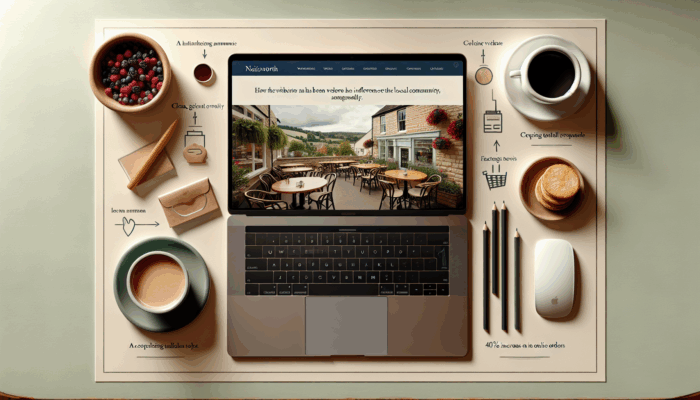
Successful website redesigns serve as powerful case studies for small businesses in Dawlish. One notable example involves a local café that recognized its website failed to reflect its vibrant atmosphere or the quality of its offerings. By collaborating with a local design firm, they executed a redesign that showcased stunning visuals of their food, along with an easy-to-navigate menu and an efficient online ordering system.
This redesign resulted in a significant increase in online orders and foot traffic, demonstrating how an appealing and functional website can drive business growth. Additionally, the café prominently featured customer testimonials on their homepage, establishing trust with new visitors and encouraging repeat business, ultimately enhancing customer loyalty.
Another instance involves a local boutique shop that struggled to attract online customers. Their redesign focused on integrating an e-commerce platform, allowing them to sell products directly from their website. By highlighting local fashion trends and emphasizing unique products, they experienced a dramatic increase in sales. The ability to reach customers beyond Dawlish opened up new revenue streams, showcasing the effectiveness of a well-executed redesign.
These real-world examples highlight the tangible benefits of a thoughtful website redesign, serving as inspiration for other small businesses in Dawlish looking to enhance their online presence and spur growth.
Strategically Planning Your Website Redesign Project
Foundational Steps for a Successful Website Redesign
The initial steps in redesigning a website are critical for establishing a solid foundation for a successful project. First, it is important to set clear objectives. Define what you aim to achieve with the redesign, whether it’s improving user experience, increasing traffic, or boosting conversions. These objectives will guide your design process and offer benchmarks for measuring success.
Next, conducting a website audit is essential. This process evaluates your current site to identify strengths and weaknesses. Analyze user behavior through analytics tools to understand which pages perform well and which areas require improvement. Consider factors such as loading speed, mobile responsiveness, and overall design aesthetics to inform your redesign strategy.
Creating a project timeline is the next step. Outline key milestones, such as design phases, content creation, and testing periods. Establishing a timeline helps keep the project on track and ensures that all team members understand their responsibilities and deadlines. This structured approach facilitates a more organized and efficient redesign process, ultimately leading to a more successful outcome.
By following these foundational steps, businesses can create a solid base for a comprehensive website redesign that aligns with their goals and effectively enhances their online presence.
Choosing the Right Web Design Agency for Your Needs
Selecting the right web design agency is a pivotal decision that can greatly influence the success of your redesign project. When assessing potential agencies, consider their experience with small business websites. Look for agencies with a portfolio that showcases successful projects similar to yours. Their understanding of small business challenges can be invaluable in crafting a site that meets your specific needs and objectives.
Another critical factor is the agency's approach to collaboration. A capable design agency will prioritize communication and actively involve you in the design process. They should be open to your ideas and feedback, ensuring that the final product aligns with your vision and objectives. Schedule initial consultations to evaluate their willingness to collaborate and their communication style, which is essential for a fruitful partnership.
Evaluating the agency's technical expertise is also crucial. Confirm that they are adept in current web technologies and design trends, including responsive design, SEO optimization, and user experience principles. This knowledge contributes to a more effective website that performs well across various devices and platforms, thus enhancing your online presence.
Lastly, consider the budget and pricing structure of the agency. While investing in quality design is important, ensure that the agency's pricing aligns with your budget. Request detailed quotes and clarify what services are included to avoid unexpected costs later. By carefully evaluating these factors, you can select a web design agency that effectively enhances your small business's online presence and meets your objectives.
Effectively Budgeting for Your Website Redesign
Budgeting for your website redesign requires careful planning to ensure that every aspect of the project is financially accounted for. Start by evaluating design costs. This includes not only the upfront fees for the design agency but also potential expenses related to custom features or graphics that may be required for your redesign. Research local agencies to compare pricing and find one that aligns with your budget without compromising quality or functionality.
Next, factor in development fees. Beyond design, development encompasses building the functionalities of your site, including e-commerce capabilities, content management systems, and interactive elements that enhance user experience. Ensure you grasp the scope of development work needed and budget accordingly to prevent financial strain later in the process.
Ongoing maintenance costs should also be included in your budget. Once the redesign is complete, your website will require regular updates, security checks, and content refreshes to remain effective and secure. Consider allocating a monthly budget for these ongoing expenses to avoid future financial strain and ensure your site stays up-to-date and functional.
Lastly, establish a contingency fund for unexpected costs that may arise during the project. Redesign projects can sometimes uncover hidden issues that require additional resources to address. By setting aside a portion of your budget for contingencies, you can navigate any surprises without jeopardizing the success of your project and ensure a smoother redesign process.
Research-Backed Benefits of Website Redesign for Small Businesses in Dawlish
How Website Redesign Impacts Local SEO Performance
A well-planned website redesign can significantly enhance local SEO, which is crucial for small businesses in Dawlish aiming to attract nearby customers. One essential aspect is optimizing for local keywords. By updating your website's content to incorporate relevant local terms and phrases, businesses can drastically improve their visibility in local search results, making it easier for potential customers to discover their offerings and services.
Enhancing site speed is another vital factor. A redesign typically involves optimizing images and streamlining code, which can greatly enhance page load times. Faster sites not only provide a better user experience but are also favored by search engines, contributing to higher rankings in search results and increasing the likelihood of attracting organic traffic.
Improving mobile responsiveness during a redesign is essential, given the increasing number of users accessing websites via mobile devices. A mobile-friendly site guarantees that users enjoy a seamless experience, regardless of the device they are using. Search engines, particularly Google, prioritize mobile-friendly websites in their rankings, meaning that optimizing for mobile can significantly enhance local SEO performance and visibility.
Finally, adhering to best practices for structured data can greatly improve local SEO. Implementing schema markup helps search engines better understand your site's content. By providing clear information about your business, its location, and its offerings, you can enhance your chances of appearing in rich snippets and local search results, ultimately driving more traffic to your site.
Techniques to Measure the Success of Your Redesign
Measuring the success of your website redesign is crucial for understanding its impact and identifying areas for further enhancement. One of the first steps is to establish clear key performance indicators (KPIs) that align with your objectives. For instance, if your goal is to increase traffic, monitor metrics such as total visitors, unique visitors, and page views. Tools like Google Analytics can provide comprehensive insights into your site's performance and user behavior.
Another practical step is to track bounce rates. A high bounce rate may indicate that users are not finding what they expect, suggesting that the redesign may not have effectively addressed user needs. By comparing bounce rates before and after the redesign, you can assess whether the changes implemented have successfully improved user engagement and satisfaction.
Monitoring conversion rates is equally important. Whether your goal is to increase sales, sign-ups, or inquiries, tracking how many visitors complete these actions will help you evaluate the effectiveness of the redesign. Set up conversion tracking through analytics tools to gain insights into user behavior and identify which elements of your site drive conversions and engagement.
Lastly, collecting user feedback can provide invaluable qualitative data. Consider implementing surveys or feedback forms on your site to gather insights directly from users about their experiences. This feedback can highlight areas for improvement and help you make informed decisions regarding future updates and enhancements. By following these steps, small businesses can effectively measure the success of their website redesign and make data-driven adjustments as needed.
Insights on User Engagement After a Redesign
User engagement metrics are critical indicators of how well a redesign has resonated with visitors. One key metric to analyze is session duration. After a redesign, an increase in session duration suggests that users find the content more engaging and are willing to explore the site further. This can indicate improved navigation and user experience, both essential for retaining visitors and encouraging deeper interactions with your content.
Another important metric is page views per session. A higher number of pages viewed per visit indicates that users interact with multiple elements of your site, suggesting that the redesign has effectively captured their interest and encouraged exploration. This can be achieved through well-structured content and intuitive site navigation, making it easier for users to find information.
Observing changes in return visitor rates can also provide insights into user engagement. If users frequently return to your site, it signifies that they found value in their initial visit, likely a result of a successful redesign. Encouraging return visits can significantly boost brand loyalty and customer retention, which are vital for sustained business growth.
Additionally, analyzing social sharing metrics can reveal how well your content resonates with users. If users share your content on social media platforms, it indicates that they find it valuable enough to recommend to others. This organic sharing is an excellent indicator of engagement and can contribute to broader brand visibility and awareness, enhancing your overall marketing efforts.
By examining these user engagement metrics post-redesign, small businesses can gain valuable insights into the effectiveness of their website updates and identify opportunities for ongoing enhancement and improvement.
Cost-Effectiveness of a Website Redesign for Small Businesses
Investing in a website redesign can be a cost-effective strategy for small businesses, especially in Dawlish, where the online marketplace is increasingly competitive. A well-executed redesign can lead to an enhanced online presence, which directly correlates with increased visibility and customer acquisition. As potential customers increasingly rely on online searches to find local services, a modern, user-friendly website significantly improves your ability to attract and engage those customers effectively.
Moreover, a redesign can lead to higher conversion rates. By creating a website that effectively guides users through the buying process, businesses can increase sales and achieve a higher return on investment (ROI). Enhanced user experience features, such as faster loading times, clearer calls-to-action, and streamlined navigation, contribute to improved conversion performance and customer satisfaction.
Another aspect that underscores the cost-effectiveness of a redesign is the potential for reduced marketing expenses. An optimized website can improve organic search rankings, thereby decreasing the need for costly paid advertising campaigns. Implementing good SEO practices within the redesign can lead to sustained traffic growth without ongoing ad costs, making the initial investment in a redesign more valuable in the long run.
Furthermore, an updated website can facilitate e-commerce capabilities, allowing small businesses to diversify their revenue streams. By integrating online sales features, local businesses can connect with customers beyond their immediate area, opening new channels for growth. This ability to tap into new markets can significantly enhance overall profitability and business sustainability.
In conclusion, a strategic website redesign can be a financially savvy investment for small businesses in Dawlish, yielding long-term benefits that far exceed the initial costs and strengthening their competitive position in the market.
Must-Have Features for Every Small Business Website
Importance of Mobile Responsiveness in Modern Websites
Mobile responsiveness is crucial for any website, especially for small businesses aiming to connect with a wider audience. A mobile-responsive design ensures that your site adjusts seamlessly to various screen sizes, providing an optimal user experience regardless of the device being used. With mobile internet usage on the rise, neglecting this aspect can alienate a sizable portion of your potential customer base, thereby restricting growth opportunities.
A mobile-friendly website significantly enhances user experience, enabling visitors to navigate easily, read content without zooming, and complete transactions effortlessly. Poorly designed mobile sites can contribute to high bounce rates, as users are likely to abandon sites that frustrate them on their devices. Optimizing for mobile can greatly elevate user engagement and retention, both crucial for long-term success.
Moreover, search engines like Google prioritize mobile-responsive sites in their rankings. This means that a well-optimized mobile website can improve your visibility in search results, driving more organic traffic to your site. As customers increasingly rely on their smartphones for local searches, having a mobile-responsive design is not merely advantageous; it is essential for remaining competitive in the digital landscape.
Additionally, mobile responsiveness can positively influence conversion rates. When users can easily access your website and navigate through your offerings without hassle, they are more likely to make purchases or engage with your services. This convenience builds trust and encourages customer loyalty, making mobile optimization a vital component of any small business's online strategy.
Integrating E-commerce Capabilities into Your Website
Incorporating e-commerce functionalities into your small business website can significantly expand your revenue streams and enhance customer convenience. E-commerce capabilities empower businesses to sell products or services directly online, allowing customers to shop from the comfort of their homes. This feature is particularly beneficial for local businesses in Dawlish, enabling them to reach a broader audience beyond their immediate geographic area and increase sales opportunities.
One of the primary advantages of e-commerce integration is the 24/7 availability it offers. Unlike traditional brick-and-mortar stores, an online shop can operate around the clock, catering to customers' diverse schedules. This convenience generally leads to increased sales, as customers can make purchases whenever it suits them, enhancing overall customer satisfaction and loyalty.
Moreover, an e-commerce platform can facilitate smoother transactions. By integrating secure payment gateways, businesses can provide customers with multiple payment options, improving their shopping experience and instilling confidence in the purchasing process. Features such as guest checkout, saved payment methods, and easy returns can further boost customer satisfaction and encourage repeat business, ultimately driving growth.
Additionally, e-commerce capabilities enable targeted marketing. Businesses can collect valuable data on customer preferences and shopping behaviors, allowing them to tailor their marketing efforts effectively. Utilizing these insights can lead to more personalized promotions, thereby increasing conversion rates and fostering customer loyalty, which is vital for long-term relationships with your clientele.
In conclusion, integrating e-commerce capabilities into a small business website is crucial for expanding market reach, increasing sales opportunities, and enhancing customer experience. By embracing this technology, businesses in Dawlish can compete more effectively in today’s digital marketplace and secure their growth.
Why SEO-Friendly Design is Vital for Your Website
An SEO-friendly design is essential for ensuring your website ranks well on search engines and attracts organic traffic. Key elements of an SEO-friendly design include fast loading times, which are crucial for providing a positive user experience. Sites that load slowly frustrate users and lead to high bounce rates, negatively impacting search engine rankings. Optimizing images, minimizing code, and leveraging browser caching are effective strategies for improving loading speeds and enhancing overall user satisfaction.
Incorporating structured data into your website is another important aspect of SEO-friendly design. Structured data assists search engines in better understanding your site's content and can enhance your visibility through rich snippets in search results. This added context can improve click-through rates, leading to increased traffic and better search engine performance, ultimately benefiting your website's online presence.
Additionally, an intuitive site structure contributes to SEO success. Ensuring that your website has a logical hierarchy with clear categories and internal linking not only enhances navigation for users but also aids search engines in crawling and indexing your pages more efficiently. A well-organized site structure can lead to improved rankings and greater visibility in search results, thus attracting more potential customers.
Furthermore, integrating mobile optimization is crucial in today's digital landscape. As mobile usage continues to grow, search engines prioritize mobile-friendly sites in their rankings. Ensuring responsive design across all devices not only enhances user experience but is also a critical factor in achieving high search engine visibility and attracting organic traffic.
In summary, an SEO-friendly design is fundamental for attracting organic traffic and improving search engine rankings. By implementing best practices in loading speed, structured data, site structure, and mobile optimization, small businesses can significantly enhance their online presence and visibility in search results.
The Importance of Clear Contact Information
Providing clear contact information on your website is a fundamental aspect of building trust with visitors and encouraging engagement. Displaying your contact details prominently not only facilitates direct communication but also enhances customer service. Offering users various contact options, such as email, phone numbers, and a contact form, ensures they can easily reach you with any questions or concerns.
Clear contact information establishes credibility for your business. When visitors see that you are approachable and accessible, they are more likely to trust you and engage with your services. This trust is crucial for converting visitors into customers, particularly in a competitive market like Dawlish, where trust can significantly influence purchasing decisions.
Including location details is another critical aspect of your contact information. For local businesses, showcasing your physical address helps build local SEO. Search engines favor businesses with accurate and complete local information, which can enhance your visibility in local search results. Including a map feature can further assist users in finding directions to your location, making it easier for them to visit your store and engage with your offerings.
Additionally, having clear contact information supports customer service efforts. Quick access to your contact details allows customers to reach out for assistance or inquiries without frustration. Implementing features like live chat can enhance real-time communication, providing users with immediate responses to their queries, thereby boosting overall satisfaction and encouraging repeat business.
In conclusion, clear contact information is essential for fostering trust, improving customer service, and enhancing local SEO. By ensuring that your contact details are prominently displayed, small businesses can effectively engage visitors and ultimately drive conversions, enhancing their growth potential in the market.
Effective Strategies for Successful Website Redesign in Dawlish for Small Businesses
Ensuring a Smooth Redesign Process
Facilitating a seamless redesign process is critical for achieving your project goals efficiently and effectively. One of the first steps is to establish clear communication with your web design team. This includes setting expectations, defining roles, and maintaining regular updates throughout the project. Open lines of communication can help address any issues that arise proactively, ensuring that the project stays on track and aligned with your objectives, thus enhancing overall collaboration and productivity.
Setting realistic timelines is equally important. Delays can lead to increased costs and frustration, so it's essential to create a timeline that accommodates all phases of the project. Factor in time for design iterations, feedback, and testing, allowing sufficient leeway for unforeseen challenges. A well-planned timeline helps keep all stakeholders accountable and focused on meeting deadlines, ensuring that the project progresses smoothly.
Regularly reviewing progress is another key strategy. Schedule check-ins with your design team to assess the current project status. This allows for timely feedback and adjustments, ensuring that the design aligns with your vision and expectations. By staying involved throughout the process, you can help guide the project toward successful completion, ensuring it meets your objectives and enhances user experience.
Lastly, preparing for testing and launch is essential for a smooth transition. Before going live, thoroughly test the website for functionality, responsiveness, and overall user experience. Involve team members or even loyal customers in this testing phase to gather feedback and identify any issues. A successful launch can significantly influence the reception of your new website, setting the stage for a positive user experience from day one and encouraging user engagement.
By implementing these strategies, small businesses can navigate the redesign process smoothly and effectively, ensuring a successful outcome that resonates with their audience and enhances their online presence.
Post-Redesign Website Maintenance Practices
Maintaining your website post-redesign is vital for ensuring its ongoing effectiveness and security. Regular updates are essential to keep your content fresh and relevant. This includes adding new blog posts, updating product offerings, and refreshing visuals to keep users engaged. Consistent updates not only attract returning visitors but also signal to search engines that your site is active, which can positively impact your SEO rankings and visibility.
Implementing regular security checks is another critical aspect of website maintenance. Cybersecurity threats are ever-present, making it essential to ensure that your website is safeguarded against vulnerabilities. Regularly updating software, plugins, and security protocols can help protect your site from potential breaches, enhancing user trust and safeguarding sensitive customer data, which is paramount for maintaining a good reputation.
Conducting content refreshes is equally important. Over time, some content may become outdated or less relevant. Reviewing and updating older articles or product descriptions ensures that your information remains accurate and valuable to users. This practice helps maintain your site's credibility and boosts its SEO performance, as search engines favor up-to-date content, leading to enhanced visibility and engagement.
Lastly, monitoring analytics is essential for ongoing improvement. Regularly reviewing key performance metrics, such as traffic, bounce rates, and user engagement, allows you to identify what is working and what needs adjustment. This data-driven approach can guide future updates and enhancements, ensuring that your website evolves alongside your audience's needs and preferences.
By prioritizing these maintenance strategies, small businesses can keep their websites effective, secure, and aligned with their goals long after the initial redesign is complete, contributing to sustained growth and success.
Leveraging Customer Feedback for Continuous Improvement
Collecting and analyzing customer feedback is vital for the continuous improvement of your website. Understanding user experiences can provide invaluable insights into areas that require enhancement. One effective method for gathering feedback is through online surveys. These can be integrated into your website or sent via email to capture user opinions on various aspects of their experience. Ensure that the surveys are concise and focused to encourage participation and gather actionable insights.
Implementing feedback forms on your website is another practical approach. Allowing users to share their thoughts directly can provide immediate insights into their experiences. Make these forms easily accessible, so visitors feel encouraged to share their feedback without facing any barriers, enhancing the likelihood of receiving valuable input.
Social media channels can also serve as platforms for gathering user insights. Engaging with customers on platforms like Facebook and Instagram can yield valuable feedback regarding their experiences with your site and services. Monitor comments and messages to discern common themes or issues that may arise, enabling you to address concerns promptly and improve customer satisfaction.
Consider hosting focus groups or usability testing sessions to gather deeper insights into user behavior. By inviting a select group of customers to interact with your site and provide feedback, you can identify specific pain points and areas for improvement. This qualitative data can be invaluable in shaping future updates and enhancements, ensuring your website evolves based on user needs and preferences.
By leveraging these methods for gathering customer feedback, small businesses can create a more user-centric website that adapts to meet the needs of their audience, ultimately enhancing satisfaction and engagement, which is critical for sustained success.
Selecting the Right Web Design Partner in Dawlish
Choosing the right web design partner in Dawlish is essential for ensuring the success of your redesign project. Start by evaluating the expertise and experience of potential agencies. Look for firms that have a proven track record of working with small businesses and demonstrate a clear understanding of the local market. Their familiarity with the Dawlish community can enhance your website's relevance and effectiveness, making it more appealing to local customers.
Consider client testimonials and case studies from previous projects. Hearing from past clients can provide insights into the agency's capabilities, communication style, and overall satisfaction with their services. This information can help you gauge whether the agency aligns with your vision and expectations, ensuring a compatible partnership.
Engaging in initial consultations is an excellent way to assess potential partners. Use these meetings to discuss your goals, challenges, and expectations for the redesign. Pay attention to how well the agency listens and responds to your needs, as a collaborative approach is crucial for a successful partnership that yields effective results.
Additionally, inquire about the agency's ongoing support services. A responsive partner should offer assistance post-launch, including maintenance, updates, and troubleshooting. Establishing a long-term relationship with your web design partner can ensure that your website continues to evolve and remain effective in a dynamic digital landscape, ultimately enhancing your business success.
By carefully selecting a web design partner, small businesses in Dawlish can create a website that effectively meets their objectives and resonates with their audience, driving engagement and growth.
Budgeting for Your Website Redesign Project
Effective budgeting for your website redesign project involves a comprehensive approach that considers all potential costs. Begin by identifying design fees, which can vary significantly based on the complexity of the project and the experience of the agency. Obtain detailed quotes from multiple agencies to compare pricing and services. Understanding what is included in the design fees can help avoid unexpected expenses later, ensuring a smoother budgeting process.
Next, factor in development costs. This includes any technical work needed to create functionalities such as e-commerce integration, content management systems, and custom features that align with your business goals. Ensure that your budget accounts for the scope of development work required to achieve your desired outcomes, thus preventing financial strain during the project.
Ongoing maintenance expenses should also be a key consideration. After the redesign is complete, your website will require regular updates, security checks, and content management. Allocating funds for ongoing maintenance will help keep your site secure and operational without financial strain, ensuring that it remains effective in the long term.
Lastly, establish a contingency fund to address any unexpected costs that may arise during the project. Redesigns can sometimes uncover hidden challenges that require additional resources to resolve. By setting aside a portion of your budget for contingencies, you can navigate these surprises without jeopardizing the overall success of your project, ensuring that it aligns with your initial goals and objectives.
In conclusion, thorough budgeting is essential for a successful website redesign. By considering all potential costs and establishing a clear financial plan, small businesses in Dawlish can ensure that their redesign project is executed smoothly and effectively, leading to a successful outcome.
Frequently Asked Questions
What is the average cost for a website redesign in Dawlish?
The cost of a website redesign in Dawlish can vary significantly based on complexity and features, typically ranging from £1,000 to £5,000, depending on the specific requirements and customizations needed.
How long does a website redesign project usually take?
A website redesign project can take anywhere from 4 to 12 weeks, depending on the project's scope and the responsiveness of the client and design team in addressing feedback and implementing changes.
Will my current website's SEO be affected by the redesign?
Yes, if not managed correctly, a redesign can impact SEO. It is crucial to maintain existing SEO best practices throughout the process to ensure that your rankings are not adversely affected and that you continue to attract organic traffic.
What features should I consider for my small business website?
Consider integrating e-commerce capabilities, clear contact information, mobile responsiveness, and SEO-friendly design features to enhance user experience and improve search engine visibility.
How can I measure the success of my website redesign?
You can measure success by tracking KPI metrics such as traffic, bounce rate, conversion rates, and user engagement metrics to evaluate the effectiveness of the redesign and its impact on your business objectives.
Is it worth investing in a website redesign?
Yes, a website redesign can improve user experience, enhance SEO performance, and ultimately boost conversion rates, making it a worthwhile investment for small businesses looking to grow their online presence.
How important is mobile responsiveness for my website?
Mobile responsiveness is crucial as a significant portion of users access websites via mobile devices. Optimizing for mobile enhances user experience and SEO performance, which are essential for attracting and retaining customers.
What role does content play in website redesign?
Content is vital; it should be updated to reflect your brand's message and cater to user needs, enhancing overall engagement and SEO performance, which can drive traffic and conversions.
Can I redesign my website myself?
While DIY redesigns are possible using website builders, engaging a professional design agency can ensure a higher quality and more effective user experience that aligns with your business objectives and goals.
What should I do after my website redesign is complete?
Post-redesign, focus on ongoing maintenance, gather user feedback, and monitor analytics to ensure the website remains effective, secure, and relevant in meeting your audience's needs and expectations.
Connect with us on Facebook!
The post Website Redesign in Dawlish for Small Business appeared first on Ezi Gold.
The Article Website Redesign Services for Small Businesses in Dawlish Was Found On https://limitsofstrategy.com
The Article Website Redesign Services Tailored for Dawlish Small Businesses First Appeared ON
: https://ad4sc.com












Leave a Reply