

Unlock the Vital Role of Trust in Survival Groups and Their Success
Key Elements That Foster Trust Among Members of Survival Groups
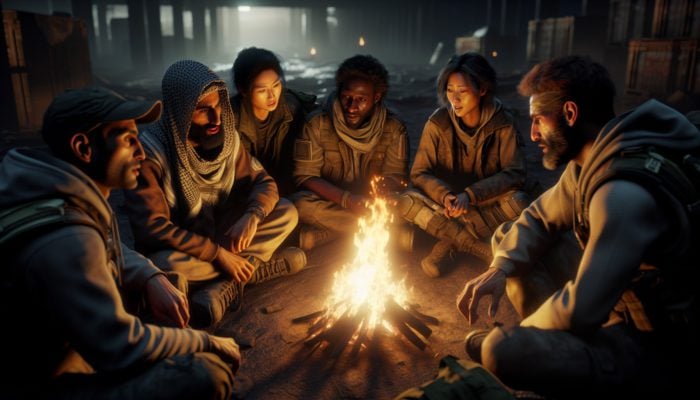
Trust is the essential foundation upon which any effective survival group is built. When trust is absent, individuals may find it challenging to work together, which significantly hinders their ability to survive and adapt in critical situations. Cultivating trust involves several essential components, including open communication, consistent reliability, and a shared vision. Open communication fosters an environment where every group member can share their thoughts, concerns, and critical information, creating a culture of transparency. Reliability is equally important; when members consistently honor their commitments, it builds mutual confidence. Additionally, aligning everyone towards common objectives instills a strong sense of unity and collective purpose, which is vital for nurturing trust among members.
- Open and honest communication
- Consistent reliability in actions and promises
- Shared goals and visions
- Mutual respect and understanding
- Empathy and emotional support
- Active listening skills
- Conflict resolution mechanisms
- Encouragement of vulnerability
To cultivate trust effectively, a deliberate effort is necessary to create a nurturing environment where vulnerability is welcomed rather than feared. When members feel secure enough to express their thoughts and emotions, trust can grow, leading to improved group dynamics and heightened effectiveness during challenging times. This supportive atmosphere is crucial for promoting collaboration and ensuring every member feels valued and heard. Ultimately, this leads to a more cohesive and resilient group capable of overcoming obstacles together.
Understanding the Impact of Trust on Group Interactions and Dynamics
Trust significantly influences the interactions, decision-making processes, and mutual support among members of a survival group. Groups that exhibit high levels of trust typically demonstrate increased cooperative behavior, allowing members to feel empowered to share their ideas and opinions openly without the fear of judgment. This environment can result in innovative solutions during critical situations. As trust deepens within the group, individuals become more willing to take risks, whether it involves implementing complex survival strategies or revealing personal vulnerabilities that could affect group cohesion and performance.
In settings characterized by high trust, decision-making processes become streamlined and more efficient. Members are more inclined to engage in productive discussions, share responsibilities, and collaboratively work towards a consensus. They exhibit a greater capacity to adapt to unforeseen challenges, showcasing resilience in the face of adversity. This adaptability is essential in survival scenarios, where unexpected events can disrupt plans. Therefore, elevated trust not only facilitates smooth operations within groups but also empowers them to thrive under pressure, reinforcing the understanding that trust is a fundamental aspect of shaping group dynamics.
The Essential Role of Trust in Crisis Management Effectiveness
During crises, trust emerges as a critical catalyst for swift and decisive action. Groups that demonstrate strong levels of trust can make rapid decisions, mobilize resources effectively, and execute emergency plans confidently. Trust ensures that open communication persists, even amidst chaos, allowing all members to voice their concerns and insights without hesitation. This level of candid dialogue accelerates the decision-making process, enabling the group to swiftly adapt to new information and changing circumstances.
Additionally, groups with a solid foundation of trust often show greater resilience during crises. Members are more likely to provide emotional and psychological support to one another, which is essential for maintaining morale. For instance, in a wilderness survival scenario, a strong trust dynamic allows individuals to depend on their partners for both emotional and physical assistance, ensuring that panic does not overshadow rational decision-making. This ability to rely on one another not only strengthens group cohesion but also underscores trust as an invaluable asset in effectively navigating crises.
Expert Insights on the Critical Importance of Trust in Survival Groups

Valuable Insights from Experts on Trust in Survival Scenarios
Experts from various fields consistently emphasize the pivotal role that trust plays in the success and effectiveness of survival groups. Insights from seasoned survivalists and psychologists suggest that trust significantly enhances group cohesion and overall performance. A recurring theme is the necessity of fostering open communication. By creating an environment where members feel safe to express their perspectives and concerns, groups can proactively address potential conflicts before they escalate. Equally important is the principle of mutual respect; when individuals acknowledge and appreciate each other's contributions and viewpoints, trust can flourish organically within the group.
Real-world scenarios further illustrate this perspective. For instance, consider a team of wilderness survivalists preparing for an expedition. Those who have established trust are more likely to communicate openly about their skills, limitations, and roles, resulting in a well-rounded team adept at overcoming challenges. This transparency enables effective strategizing and ensures that each member's strengths are utilized for the group's overall success, ultimately enhancing their chances of survival.
Measuring Trust Levels Within Groups: Effective Assessment Strategies
Assessing trust within a group can be approached through various methodologies, such as surveys, observational evaluations, and performance metrics. Surveys can provide quantitative insights into members' perceptions of trust and their confidence in one another, while observational assessments can yield qualitative perspectives on group dynamics during interactions. Monitoring performance metrics, including decision-making efficiency and conflict resolution success rates, can also illuminate the underlying trust levels within the group.
Understanding these trust levels is critical for enhancing group cohesion and overall performance. For example, if survey results indicate low trust, group leaders can implement targeted interventions, such as team-building exercises or open dialogue forums, to address the situation effectively. Regular assessments of trust levels facilitate ongoing adjustments to group dynamics, nurturing an environment where trust can continuously develop and thrive, ultimately leading to improved outcomes in survival scenarios.
Effective Strategies to Strengthen Trust in Survival Scenarios

Implementing effective strategies to strengthen trust within survival scenarios can significantly improve group dynamics and overall performance. Regular team-building exercises are fundamental; these activities provide opportunities for members to connect and build rapport outside of high-pressure situations. Activities such as problem-solving challenges or collaborative tasks can highlight each member's strengths and weaknesses, fostering understanding and empathy within the group.
Encouraging honest feedback is another vital strategy. When members feel empowered to share constructive criticism and appreciation, it nurtures a culture of open dialogue that reinforces trust. Furthermore, setting clear expectations for accountability creates a framework in which individuals take ownership of their roles. Collectively, these strategies bolster trust, leading to improved performance and cohesion during critical survival situations where teamwork is essential for success.
Case Studies Highlighting Trust Breakdowns in Survival Groups
Examining instances where trust has diminished within survival groups provides invaluable insights into the necessity of maintaining trust. One notable case involved an expedition team that became disoriented in unfamiliar terrain. Initially, trust among members was strong; however, as panic set in, communication began to falter. Members started to question each other's capabilities and intentions, resulting in poor decision-making that exacerbated their predicament.
The consequences were dire; a lack of coordinated efforts led to resource mismanagement and increased anxiety within the group. This case underscores the critical need for trust maintenance, even in high-stress scenarios. By studying such breakdowns, we gain insights into proactive measures essential for preserving trust, such as regular communication check-ins and established conflict resolution protocols. These lessons elucidate that trust is not a static quality; it requires ongoing effort and vigilance to sustain effectively.
Proven Techniques for Developing and Sustaining Trust in Survival Groups
Engaging Trust-Building Activities That Yield Positive Outcomes
Participating in impactful trust-building activities is essential for nurturing robust connections within survival groups. Activities such as team challenges, trust falls, and role-playing scenarios can significantly enhance members' reliance on one another. Team challenges, which may involve navigating obstacle courses or completing survival tasks under time constraints, reinforce collaboration and showcase each member's unique contributions and capabilities. These shared experiences foster camaraderie, which is crucial for establishing a strong foundation of trust.
Trust falls are classic exercises that necessitate vulnerability and reliance on peers. By physically demonstrating their willingness to trust each other, members can deepen their interpersonal connections. Furthermore, role-playing survival scenarios allows group members to practice communication and decision-making in a controlled environment, further solidifying trust among participants. Through these activities, members learn to appreciate each other's strengths, fostering a supportive culture that enhances group cohesion and effectiveness in survival situations.
Resolving Trust Issues Within a Group: Effective Approaches
Addressing trust issues within a group is a sensitive yet essential endeavor. Open communication forms the foundation for resolution; members must feel secure expressing their concerns without fear of repercussions. Facilitating a mediated discussion can help clarify misunderstandings and promote healing. Mediation offers a neutral space for members to air grievances and collaboratively seek solutions.
Restructuring roles may also prove beneficial if trust issues stem from conflicting interests or performance discrepancies. By realigning responsibilities to better fit individual strengths, groups can foster a sense of fairness and equity. Proactive measures, such as regular discussions about trust and group dynamics, can prevent erosion before it escalates into significant issues. Ultimately, creating an environment that values honesty and vulnerability is crucial for effectively addressing and overcoming trust issues within survival groups.
Ensuring Trust is Maintained Over Time in Survival Groups
Sustaining trust within a survival group is an ongoing commitment that requires consistent behavior, transparency, and regular check-ins. Members must dedicate themselves to being reliable and predictable in their actions, reinforcing the trust established over time. Transparency is equally significant; routinely sharing information about group activities, decisions, and individual challenges helps ensure that members feel included and valued, further solidifying trust.
Regular check-ins provide opportunities for open dialogue, allowing members to address any concerns before they escalate. These conversations create platforms for feedback, fostering a culture of continuous improvement. Long-term trust necessitates a commitment from all members; by prioritizing trust maintenance, groups can flourish even in adversity, enhancing their overall resilience in challenging situations.
The Profound Impact of Trust on Survival Group Performance
Influence of Trust on Group Decision-Making Processes
Trust significantly shapes group decision-making processes, acting as a driving force for quicker and more effective outcomes. Groups functioning within a high-trust framework can make critical decisions with greater confidence and efficiency. When members trust one another, they are more likely to express their views and share valuable insights, enriching the decision-making process. This collaborative approach often results in well-rounded decisions that consider diverse perspectives, ultimately leading to better outcomes for the group.
Moreover, elevated levels of trust reduce the friction associated with disagreements. In low-trust environments, conflicts may arise from differing opinions, leading to prolonged discussions and indecisiveness. Conversely, trusting groups adeptly navigate disagreements constructively, focusing on finding common ground rather than fixating on differences. This enhanced decision-making capability is vital in survival scenarios, where timely and effective choices can make the difference between success and failure for the group.
The Role of Trust in Resource Management within Groups
Trust plays a pivotal role in the equitable and efficient distribution of resources within a survival group. When members trust each other, they are more inclined to share resources fairly, whether it involves food, tools, or knowledge. This sharing is critical in survival scenarios, where resource scarcity can present significant challenges. Trust ensures that each member feels confident that their contributions and needs will be respected and valued, fostering a spirit of collaboration and mutual support.
Additionally, trust enhances collaborative efforts in resource management. Groups characterized by high trust are more likely to work together to strategize resource allocation, leading to innovative solutions that maximize available supplies. This collaborative approach not only improves resource management but also cultivates a sense of community and shared responsibility, further reinforcing trust among group members. Effective resource management, underpinned by trust, is vital for the survival and success of the group.
Trust's Contribution to Group Resilience in Survival Situations
Groups with strong trust levels exhibit remarkable resilience in survival scenarios. Trust empowers members to offer emotional and psychological support to one another during challenging times. When faced with obstacles, trusting groups can maintain a positive outlook, encouraging one another to remain focused and engaged. This emotional backing is essential, as it helps mitigate stress and anxiety, enabling the group to operate effectively and make rational decisions.
Moreover, trust fosters adaptability. In unpredictable environments, resilient groups can pivot their strategies and methods in response to new information or shifting conditions. This adaptability is critical for survival, as it enables groups to overcome setbacks and continue progressing. Ultimately, trust is not merely an advantageous trait; it forms the bedrock of group resilience, equipping members to confront adversity with confidence and a collaborative spirit.
Research-Backed Insights on the Benefits of Trust in Survival Groups
Research Findings Highlighting the Impact of Trust on Survival Success
Research consistently underscores the significant impact of trust on group performance and survival rates. Studies reveal that groups with elevated trust levels tend to outperform their counterparts across various metrics, including decision-making efficiency and resource management. Trust acts as a social lubricant, facilitating smoother interactions and fostering a collaborative atmosphere that enhances overall group effectiveness and cohesion.
Furthermore, research highlights the centrality of trust in group dynamics, illustrating that cohesive teams are better equipped to navigate challenges. These findings reinforce the notion that trust is not merely a desirable trait but a crucial factor influencing group outcomes. In survival situations, where stakes are high, understanding the research-backed benefits of trust can guide strategies for effectively building and maintaining it within teams.
Link Between Trust Levels and Success Rates in Survival Scenarios
A significant correlation exists between trust levels and success rates in survival scenarios. Groups characterized by high trust demonstrate improved performance across various measures, including task completion, decision-making speed, and resource management. This correlation arises from a trusting environment that promotes collaboration and open communication, ultimately enhancing group efficiency and effectiveness in demanding situations.
Data supports the connection between trust and effective group functioning, demonstrating that teams engaging in trust-building efforts tend to achieve greater success in challenging survival scenarios. By prioritizing initiatives aimed at building trust, groups can markedly increase their chances of success, reinforcing the concept that trust is a foundational element of survival dynamics and group performance.
Psychological Advantages of Trust in Group Settings
Trust offers substantial psychological benefits that positively influence group cohesion and overall performance. When members feel secure in their relationships with one another, stress and anxiety levels diminish, leading to improved mental health outcomes. This reduction in stress fosters a more focused and engaged group, allowing for clearer thinking and better decision-making, which is critical in survival scenarios.
Moreover, the psychological benefits of trust contribute to a sense of belonging and community within the group. Members who feel trusted and valued are more likely to invest in the group's success, creating a cycle of positivity and collaboration. Ultimately, the psychological dimensions of trust not only enhance individual well-being but also improve the overall effectiveness of the group, highlighting trust as a vital asset in survival contexts, particularly during challenging times.
Strategies for Cultivating Trust in Survival Groups
Proven Techniques for Building Trust Effectively
Proven strategies for cultivating trust within survival groups encompass regular team-building activities, clear communication channels, and the establishment of shared goals. Team-building exercises create opportunities for members to engage in collaborative problem-solving, reinforcing their connections and mutual understanding. These activities can vary from physical challenges to brainstorming sessions that leverage each member’s strengths and contributions to the group.
Clear communication is equally crucial; establishing norms for open and honest dialogue ensures that all members feel valued and heard. Additionally, setting shared goals aligns individual efforts with the group's mission, fostering a sense of purpose and unity. When everyone understands the objectives and their roles in achieving them, trust naturally flourishes. By implementing these techniques, survival groups can cultivate an environment where trust thrives, enhancing their resilience and effectiveness in critical situations where teamwork is essential.
Successful Implementation of Trust-Building Initiatives
Implementing trust-building initiatives necessitates careful planning and a commitment from all members. Starting with small, manageable activities can help the group ease into the process, gradually increasing complexity as trust develops. Initiatives such as icebreaker games, group discussions, or collaborative projects can serve as excellent entry points for building connections and fostering camaraderie among members.
As trust begins to take root, groups can transition to more substantial initiatives, such as team challenges or scenario-based exercises that require deeper collaboration. Ongoing initiatives should be regularly assessed to ensure they remain relevant and effective. By fostering a culture of continuous improvement, groups can adapt their trust-building efforts to meet the evolving needs of their members, ensuring that trust remains a priority in their collaborative endeavors.
The Impact of Leadership on Trust Development
Leadership plays a crucial role in nurturing trust within survival groups. Leaders must exemplify trustworthy behavior, demonstrating reliability, transparency, and accountability in their actions. By embodying these qualities, leaders establish the tone for the group’s culture, motivating members to reflect these behaviors in their interactions and relationships with one another.
Creating an environment conducive to trust also involves providing support and resources for team members. Leaders should encourage open communication, actively listen to concerns, and facilitate conflict resolution when necessary. By promoting trustworthiness as a core value, leaders can cultivate a resilient and cohesive group capable of thriving in challenging circumstances, ultimately enhancing the group’s chances of success.
The Role of Transparency in Trust Building
Transparency is fundamental to establishing trust within survival groups. When leaders openly share information, decisions, and challenges, members feel included and valued, fostering a sense of community. This openness encourages a culture where individuals can express their concerns and ideas without fear, reinforcing trust among group members and enhancing overall group dynamics.
Moreover, transparency promotes accountability. When members understand that their actions are subject to scrutiny, they are more likely to act responsibly, further solidifying trust within the group. By prioritizing transparency in communication and decision-making processes, groups can create an environment where trust flourishes, empowering members to collaborate effectively in times of crisis and uncertainty.
Addressing Trust Challenges in Survival Groups
Overcoming challenges to trust in survival groups necessitates proactive measures aimed at fostering a trusting environment. Common challenges include resource scarcity, high-stress situations, and conflicting personalities. Addressing these issues begins with open dialogue; members must feel comfortable discussing their concerns and grievances without fear of judgment or backlash.
Promoting a culture of transparency and accountability is essential. When group members understand their roles and the rationale behind decisions, they are more likely to feel valued and respected. Additionally, implementing conflict resolution strategies can help navigate interpersonal disputes, reinforcing a culture of trust. Strategies to enhance trust include:
- Encouraging open dialogue and communication
- Setting clear expectations for accountability
- Facilitating conflict resolution training
- Promoting regular team-building activities
- Establishing norms for respectful disagreement
- Monitoring resource allocation to ensure fairness
- Providing support during high-stress situations
- Empowering members to voice concerns
By actively confronting these challenges, survival groups can strengthen their foundations of trust, enhancing their cohesion and effectiveness, which is essential in survival situations where teamwork is critical for success.
Identifying Barriers to Trust in Survival Groups
Common Obstacles Hindering Trust Development
Building trust in survival groups is fraught with obstacles that can undermine relationships. Common barriers include communication breakdowns, conflicting interests among members, and past negative experiences that breed skepticism. Communication breakdowns can occur in high-pressure scenarios where individuals struggle to articulate their thoughts clearly, resulting in misunderstandings and mistrust.
Conflicting interests may arise when personal goals diverge from the group’s objectives, creating friction among members. Additionally, past negative experiences, whether within the current group or from previous teams, can lead individuals to approach new relationships with caution, complicating trust development. Overcoming these barriers requires intentional efforts and strategies aimed at fostering a positive and supportive environment, which is crucial for group success.
Effective Strategies to Dismantle Trust Barriers in Groups
Dismantling trust barriers in survival groups involves directly addressing the underlying issues. One effective strategy is to promote transparency within the group. When members share their thoughts, experiences, and motivations openly, it fosters understanding and empathy. Additionally, establishing rituals for regular check-ins creates opportunities for members to express concerns and celebrate successes, further reinforcing trust within the group.
Creating a culture of respect and understanding is crucial. Encouraging members to practice active listening and empathy fosters a supportive atmosphere where individuals feel valued. Implementing conflict resolution strategies can also help mitigate disputes before they escalate into larger trust issues. Effective strategies include:
- Promoting open communication and dialogue
- Establishing regular check-in rituals
- Encouraging active listening and empathy
- Implementing conflict resolution strategies
- Fostering a culture of respect and understanding
- Setting shared group goals to align interests
- Providing training on effective communication
- Encouraging vulnerability and openness
By focusing on these strategies, groups can effectively dismantle barriers to trust and create a cohesive environment conducive to collaboration and success.
The Implications of Distrust on Group Functionality
Distrust within a survival group can lead to significant dysfunction, undermining the essence of teamwork. When trust is absent, communication deteriorates, resulting in misunderstandings and conflicts that can derail efforts. Group members may hesitate to share vital information, leading to poor decision-making and wasted resources. This lack of collaboration can foster a toxic environment where individuals prioritize personal interests over collective objectives, ultimately jeopardizing their chances of survival.
Moreover, distrust can result in increased stress and anxiety among members, further impeding performance. In high-pressure survival situations, this psychological burden can have dire consequences, leading to panic and disarray instead of effective action. Understanding the ramifications of distrust is crucial for survival groups; recognizing signs of mistrust early allows for proactive measures to restore confidence and cohesion, ultimately ensuring the group’s effectiveness in overcoming challenges.
Effective Strategies for Rebuilding Trust After a Breach
Reconstructing trust following a breach is a delicate process that necessitates commitment and collective effort from all members. Acknowledging the breach is the first step; members must openly discuss what transpired and recognize its impact on the group’s dynamics. Taking responsibility for actions that contributed to the breach is vital for restoring faith among members and paving the way toward healing.
Implementing changes to prevent future issues is equally important. This may involve restructuring roles, enhancing communication protocols, or introducing regular feedback mechanisms. Consistent actions that demonstrate accountability and a commitment to rebuilding trust are essential to the healing process. By fostering an environment where individuals feel safe to express concerns and pursue resolution, groups can effectively navigate the complexities of trust restoration, ultimately enhancing their cohesion and resilience.
The Role of Leadership in Trust Development
Leadership plays a central role in establishing and maintaining trust within survival groups. Leaders must model the behaviors they wish to see, demonstrating transparency, accountability, and empathy in their interactions. By setting a positive example, leaders can create an environment conducive to trust, encouraging members to emulate these behaviors in their relationships with one another.
Additionally, leaders should actively promote open communication and provide opportunities for team members to voice their concerns and ideas. Facilitating team-building activities and nurturing a collaborative culture reinforces trust among members. Ultimately, effective leaders recognize that trust is a shared responsibility; by prioritizing trust development, they can cultivate a cohesive and resilient group prepared to face challenges together, enhancing their chances of survival and success.
Strategic Approaches for Building Trust in Survival Groups
Expert-Recommended Techniques for Effective Trust Building
Experts advocate various strategies to foster trust within survival groups. Regular team-building activities are crucial, providing opportunities for members to bond and strengthen relationships. These activities can range from simple icebreakers to complex collaborative challenges, promoting communication and mutual understanding as members learn to rely on one another.
Clear communication is equally essential; establishing norms for openness ensures that all members feel valued and included in decision-making processes. Additionally, setting shared goals aligns individual efforts with the group’s mission, reinforcing trust and collective responsibility. Regular feedback mechanisms, such as check-ins and performance assessments, allow members to express concerns and celebrate successes, thereby further solidifying trust dynamics. Implementing these strategies not only fosters a sense of belonging but also enhances group cohesion, ultimately increasing the likelihood of success in survival scenarios.
Evaluating the Effectiveness of Trust Strategies
Assessing the effectiveness of trust-building strategies requires a systematic approach. Monitoring group dynamics through observation can provide qualitative insights into interactions and relationships. Furthermore, collecting feedback from group members via surveys or one-on-one discussions can yield valuable quantitative data regarding their perceptions of trust and group cohesion.
Performance metrics related to decision-making efficiency, resource management, and conflict resolution success rates can serve as indicators of trust levels within the group. Regular evaluations facilitate ongoing adjustments to trust-building efforts, ensuring they remain relevant and effective. By prioritizing assessment, groups can continuously refine their strategies to foster trust and enhance overall performance, contributing to success in survival scenarios.
Importance of Continuous Improvement in Trust Building
Continuous improvement is essential for effective trust building within survival groups. Regularly reviewing and adjusting trust-building activities ensures they align with the group's evolving needs and dynamics. This iterative approach enables groups to identify areas for enhancement, fostering a culture of adaptability and growth.
Expert analysis highlights the significance of ongoing trust development. As groups encounter new challenges, the dynamics of trust can shift; thus, remaining attuned to these changes is crucial for maintaining cohesion. Encouraging regular feedback and open dialogue creates opportunities for members to share their experiences and insights, contributing to continuous improvement efforts. Ultimately, prioritizing continuous development is vital for sustaining trust over the long term, especially in challenging survival scenarios where teamwork and collaboration are critical.
The Influence of Leadership on Trust Dynamics Within the Group
Leadership profoundly impacts trust levels within survival groups. Leaders establish the tone for group dynamics through their actions and behaviors. By modeling transparency, consistency, and support, leaders can create an environment conducive to trust. When leaders demonstrate their commitment to trust-building efforts, it encourages members to develop similar attitudes and behaviors, enhancing the overall group dynamic.
Effective leaders also foster open communication, inviting members to voice concerns and share ideas freely. By actively listening and responding to feedback, leaders can reinforce trust and strengthen relationships among group members. Furthermore, leaders prioritizing team-building activities and collaborative tasks create opportunities for members to bond, further enhancing trust within the group and contributing to their overall effectiveness in survival situations.
Common Challenges in Building Trust in Survival Groups
Common challenges to trust-building in survival groups include conflicting personalities, resource scarcity, and high-stress environments. Conflicting personalities can lead to misunderstandings and friction, complicating trust development. Resource scarcity often exacerbates tensions, as individuals may prioritize personal interests over group objectives, further undermining trust within the group.
High-stress environments can intensify these challenges, as members may struggle to communicate effectively under pressure. Overcoming these obstacles necessitates intentional efforts focused on fostering a culture of respect, collaboration, and understanding among group members. By implementing strategies to address these challenges, survival groups can strengthen their trust foundations, enabling them to thrive in adversity and succeed in achieving their survival objectives.
Future Trends Influencing Trust Dynamics in Survival Groups
Emerging Trends Affecting Trust in Survival Groups
Emerging trends are reshaping the landscape of trust in survival groups, reflecting an increasing emphasis on emotional intelligence, virtual team-building, and adaptive leadership. As these dynamics evolve, emotional intelligence becomes increasingly vital for nurturing strong relationships and understanding diverse perspectives. Leaders and group members alike are recognizing the importance of empathy and emotional awareness in fostering trust and resilience within the group.
Moreover, the rise of virtual team-building initiatives highlights the need for innovative strategies to cultivate trust in remote environments. As technology continues to influence group dynamics, leaders are adapting their approaches to ensure that trust remains a priority. Adaptive leadership further underscores the significance of flexibility and responsiveness in addressing the unique challenges faced by survival groups, thereby enhancing their overall effectiveness and success.
Technology's Role in Shaping Trust within Groups
Technology is poised to play a significant role in shaping trust dynamics within survival groups. Enhanced communication tools and platforms can facilitate open dialogue and collaboration, enabling members to connect more easily, regardless of geographical barriers. This technological advancement fosters transparency and inclusivity, reinforcing trust among group members and enhancing their collective resilience in challenging scenarios.
However, technology also presents challenges, such as privacy concerns and digital divides that can impact trust. Leaders must navigate these complexities by ensuring equitable access to resources and information while promoting transparency in digital communication. Ultimately, embracing technology as a tool for building trust can enhance group cohesion and effectiveness in survival scenarios, ensuring that members work together successfully to achieve their objectives.
The Long-Term Significance of Trust in Survival Groups
Trust remains a critical factor for the long-term success of survival groups. Its significance underscores the necessity for continuous trust-building efforts, as groups encounter evolving challenges and dynamics. As survival situations grow increasingly complex, establishing and maintaining trust will be essential for effectively navigating obstacles and ensuring group cohesion.
A commitment to fostering trust not only enhances group performance but also contributes to individual well-being. By prioritizing trust, survival groups can create an environment where members feel valued and supported, ultimately increasing their chances of success in challenging situations where teamwork and collaboration are paramount.
Frequently Asked Questions About Trust in Survival Groups
What Defines Trust in Survival Groups?
Trust in survival groups refers to the confidence and reliance members have in each other during challenging situations. It is cultivated through effective communication, shared goals, and mutual respect, all of which are essential for successful collaboration in survival scenarios.
Why Is Trust Essential in Survival Contexts?
Trust is vital in survival contexts as it fosters collaboration, enhances decision-making, and provides emotional support, all of which are critical for group success. Without trust, members may struggle to work together effectively, undermining their chances of survival.
How Can Trust Be Established Within a Survival Group?
Trust can be established through regular team-building activities, open communication, setting shared goals, and creating a culture of respect and support among members. These initiatives help create a solid foundation of trust, which is vital for group performance.
What Activities Can Boost Trust in Groups?
Activities like team challenges, trust falls, role-playing scenarios, and collaborative problem-solving exercises can significantly enhance trust within groups by fostering communication, collaboration, and mutual understanding among members.
How Does Distrust Affect Group Performance?
Distrust can lead to poor communication, ineffective decision-making, and reduced group cohesion, ultimately undermining the group’s ability to succeed in survival situations. It can create a toxic environment where individuals prioritize personal interests over collective goals.
What Actions Should Be Taken to Address Trust Issues in Groups?
Addressing trust issues requires open communication, mediation, and sometimes restructuring roles to foster a supportive and trusting environment. Members must feel safe to express their concerns and grievances without fear of judgment or retaliation.
How Can Leadership Influence Trust in Survival Groups?
Leaders impact trust by modeling trustworthy behavior, encouraging open communication, and creating an environment that prioritizes transparency and accountability. Effective leadership is crucial for establishing and maintaining trust within the group.
What Psychological Benefits Does Trust Offer in Groups?
Trust reduces stress and anxiety, enhances mental well-being, and fosters a sense of belonging, contributing to better group cohesion and performance. It creates a supportive atmosphere where members feel valued and encouraged to collaborate.
What Strategies Are Effective for Rebuilding Trust After a Breach?
Rebuilding trust involves acknowledging the breach, taking responsibility, implementing changes to prevent future issues, and consistently demonstrating commitment to trust development. Open dialogue is essential for healing and restoring confidence among group members.
What Are Future Trends in Trust Dynamics Within Survival Groups?
Emerging trends include a focus on emotional intelligence, virtual team-building, and adaptive leadership, all of which shape how trust is built and maintained in survival contexts. These trends highlight the evolving nature of group dynamics and the importance of adapting to new challenges.
Explore our journey on X!
The post Survival Group Trust: Building Strong Bonds appeared first on Survival Bite.
The Article Survival Group Trust: Strengthening Community Connections Was Found On https://limitsofstrategy.com
The Article Survival Group Trust: Building Stronger Community Bonds First Appeared ON
: https://ad4sc.com










Leave a Reply