

Essential Insights into Natural Gas Line Services You Can't Afford to Miss
Understanding the Fundamental Aspects of Natural Gas Line Services
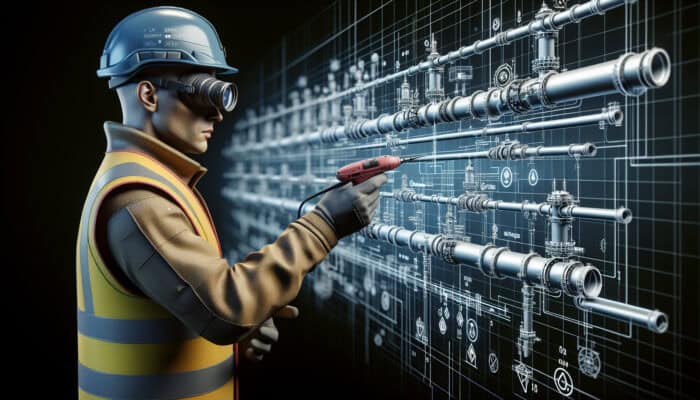
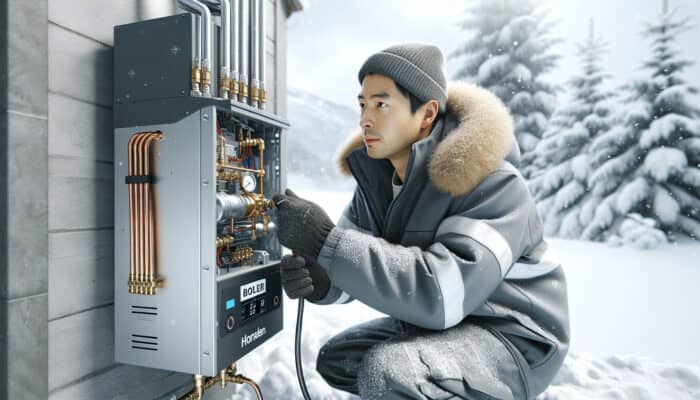
In West Vancouver, natural gas line services involve crucial procedures for the installation, maintenance, and repair of pipelines that transport natural gas to residential and commercial spaces. These services play a vital role in ensuring safe and efficient gas delivery, which is essential for heating and cooking needs. Professionals in this industry follow strict safety regulations and use state-of-the-art technology to monitor and maintain the integrity of gas lines. By recognizing the significance of these services, both homeowners and businesses can appreciate the importance of hiring certified experts to manage their natural gas systems, ensuring safety and operational effectiveness.
The efficient operation of natural gas lines is not only critical for comfort but also paramount for safety. Proper installation is necessary to meet local codes and regulations. Experts in gas line services ensure that all installations comply with the latest safety standards and industry best practices. Following these guidelines significantly minimizes the risk of leaks that could lead to dangerous situations. Furthermore, maintaining a properly functioning natural gas line can enhance energy efficiency, leading to meaningful savings on utility bills, making it a practical and financially smart choice for consumers.
Discover the Extensive Range of Natural Gas Line Services Available
The spectrum of natural gas line services includes a variety of offerings tailored to meet the unique needs of customers. Among the key services typically provided are:
- New installations: Setting up gas lines for newly built homes or commercial facilities.
- Regular maintenance checks: Conducting routine inspections to ensure existing gas lines operate at optimal performance levels.
- Emergency repairs: Swiftly addressing urgent issues, such as leaks or system failures.
- Upgrading existing systems: Enhancing gas lines to boost efficiency or comply with updated regulatory standards.
Each of these services is vital for maintaining the seamless operation of the entire gas delivery system. For instance, new installations necessitate careful planning and execution to meet safety regulations. Regular maintenance checks are crucial for identifying potential problems before they escalate into more significant issues. Emergency repairs are indispensable, as gas leaks can pose severe health and safety risks; prompt intervention can prevent disasters. Upgrading older systems not only improves efficiency but also enhances safety features, reflecting ongoing advancements in the industry.
The Critical Importance of Hiring Professional Gas Line Services
<pEngaging professional gas line services is essential to ensure adherence to safety standards and regulations. Certified technicians possess the specialized knowledge necessary for accurate installation and maintenance of gas lines, significantly reducing the risk of dangerous situations, such as gas leaks. The need for qualified professionals cannot be overstated; improper handling of gas lines can lead to catastrophic incidents, including explosions or carbon monoxide poisoning, endangering lives and property.
Moreover, skilled technicians stay updated with the latest regulations and advancements in the industry. They are trained to detect potential issues that may not be immediately apparent to the untrained eye, facilitating timely interventions that protect both homeowners and businesses. By hiring experienced professionals for gas line services, clients gain peace of mind, knowing that their systems are managed by experts who adhere to both local and national safety protocols.
Understanding the Benefits of Regular Gas Line Maintenance

Routine maintenance of natural gas lines is essential for a variety of reasons, primarily focusing on safety, efficiency, and longevity. By committing to regular assessments, homeowners can effectively prevent gas leaks that pose immediate safety threats. These proactive measures ensure that systems function efficiently, minimizing energy waste and lowering utility costs over time.
In addition, consistent maintenance extends the lifespan of gas lines, potentially saving homeowners from substantial costs related to repairs or replacements. Maintenance routines typically consist of thorough inspections for signs of wear, corrosion, and leaks, allowing for timely adjustments or replacements before issues worsen. This foresight is particularly valuable in regions like West Vancouver, where environmental factors can impact the durability of gas lines. Ultimately, professional maintenance fosters a safe and efficient home environment.
Expert Insights into Natural Gas Line Services in West Vancouver
How Professionals Ensure the Safety of Gas Lines
Experts adopt a comprehensive suite of stringent safety protocols to guarantee that gas lines operate safely and effectively. These protocols usually incorporate regular inspections, advanced monitoring technologies, and strict compliance with safety regulations established by national authorities. By utilizing technologies such as pressure sensors and smart monitoring systems, professionals can identify and address issues before they escalate into serious problems.
Key safety measures include:
- Routine inspections: Scheduled evaluations aimed at identifying and mitigating potential hazards.
- Leak detection technologies: Utilizing sensors and detectors to monitor for gas leaks.
- Employee training: Ongoing education for technicians regarding safety protocols and emergency response strategies.
- Emergency response plans: Established procedures for promptly addressing gas leaks or explosions.
Through these proactive measures, technicians significantly reduce the risks associated with gas lines. For instance, in West Vancouver, professionals may employ cutting-edge leak detection systems that instantly alert them to any irregularities, allowing for immediate action. This proactive strategy not only protects the well-being of residents but also fosters public trust in natural gas services.
Required Training for Gas Line Technicians

Gas line technicians undergo comprehensive training to ensure they are well-equipped to manage the complexities of installation and maintenance safely. This training typically combines classroom instruction with hands-on experience. Technicians are required to complete certification courses covering the essentials of gas line systems, safety protocols, and local regulations.
Continuous education is a critical aspect of a technician’s career, keeping them informed about the latest advancements in technology and legislative updates. This ongoing training ensures that technicians remain proficient in the face of evolving safety standards and modern gas line technologies. Additionally, many professionals participate in workshops and industry conferences, further enhancing their skills and knowledge base.
Technicians often gain practical experience through apprenticeships, working alongside seasoned professionals to master the intricacies of gas line installation and maintenance. This blend of theoretical knowledge and real-world experience enables them to quickly identify potential issues and implement effective solutions.
How Homeowners Can Benefit from Professional Guidance in Gas Line Services
Homeowners can reap significant benefits from the expert guidance offered by professionals in the natural gas line services sector. By consulting with experienced technicians, homeowners gain invaluable insights into maintaining their gas lines, including recognizing early warning signs of potential problems. This proactive engagement can lead to substantial cost savings by minimizing the risk of future, costly repairs.
Moreover, expert advice encompasses understanding the implications of upgrades or modifications to existing systems. Technicians can assist homeowners in selecting energy-efficient options that enhance safety and reduce energy bills. Furthermore, professionals provide tailored recommendations based on the unique conditions of each home, such as local weather patterns or the age of current gas lines.
Consistent communication with industry experts allows homeowners to stay informed about best practices for gas line safety and efficiency. This ongoing relationship fosters a sense of security, knowing that an expert is readily available to address concerns or provide guidance when necessary.
Step-by-Step Guide to Gas Line Installation and Maintenance
Key Steps Involved in the Installation of New Gas Lines
The process of installing new gas lines involves a meticulously coordinated series of steps designed to ensure safety and compliance with regulations. Initially, a comprehensive site assessment is conducted to determine the most suitable route for the gas line, considering existing structures, underground utilities, and local regulations. This foundational step is critical in shaping the installation process.
Once the site has been thoroughly evaluated, technicians move on to the planning phase, which includes selecting the necessary materials and specific installation techniques to be employed. This stage also involves obtaining any required permits from local authorities, which is vital for ensuring compliance with safety regulations.
Following this, the actual installation process begins, typically starting with trenching. Skilled technicians excavate trenches along the chosen route, ensuring they are at the proper depth and width to accommodate the gas line. After trenching, the next phase is pipe laying, where high-quality pipes are carefully positioned and connected to the main gas supply. Finally, thorough testing for leaks and safety is performed before the trenches are backfilled and the site is restored.
A successful installation not only guarantees efficient gas delivery but also provides homeowners with peace of mind. By adhering to safety standards throughout the process, professionals significantly minimize the risks associated with gas line installations.
Essential Maintenance Tasks for Gas Lines
Routine maintenance of gas lines is crucial for ensuring their safety and longevity. This maintenance involves regular inspections and checks, focusing on identifying potential issues early. Technicians typically look for signs of leaks, corrosion, and secure connections during these evaluations, which are critical for the overall functionality of the system.
A comprehensive maintenance routine generally includes:
- Leak detection: Utilizing specialized equipment to swiftly identify any gas leaks.
- Corrosion assessments: Evaluating the degradation of pipes, particularly in humid environments.
- Connection checks: Ensuring that all fittings and connections are secure and functioning correctly.
- System pressure testing: Confirming that the gas pressure remains within safe operational limits.
By conducting these regular maintenance checks, technicians can address issues that could lead to safety hazards. For example, a small leak detected early is much easier and less costly to repair than a significant rupture that occurs due to neglect. Homeowners in West Vancouver, where environmental factors can significantly affect gas lines, should prioritize routine maintenance to ensure their systems remain in optimal condition.
Recommended Frequency for Gas Line Inspections
It is generally advisable to schedule annual inspections of gas lines to ensure their safety and operational efficiency. However, the frequency of these inspections may vary based on several factors, including the age of the system and the local environment. For older gas lines or those located in areas more susceptible to environmental stress, more frequent checks may be necessary to proactively identify issues.
Regular inspections typically involve a thorough evaluation of the entire gas line system. This includes assessing for leaks, verifying the integrity of the pipe material, and ensuring that all connections remain secure and intact. Homeowners should remain vigilant for signs of potential problems, such as unusual odours or sounds, and report any concerns to professionals promptly.
Ultimately, maintaining a proactive inspection routine enhances safety and extends the lifespan of gas lines. Homeowners should work with qualified professionals who can recommend an appropriate inspection schedule tailored to their specific circumstances.
Understanding Safety Protocols and Regulations for Gas Line Services
Established Safety Regulations Governing Gas Lines
Safety regulations for gas lines are established by both national and local authorities to ensure the safe operation of gas systems. These standards encompass various aspects of installation, maintenance, and emergency response protocols, providing a comprehensive framework for gas line services.
Professionals in the sector must adhere to these regulations, which typically include:
- Installation guidelines: Specifications regarding materials, techniques, and safety measures during installation.
- Maintenance protocols: Regular checks and standards for maintaining system integrity.
- Emergency procedures: Established protocols for responding to gas leaks or system failures.
- Training requirements: Mandated training for technicians to ensure they are prepared to manage gas lines safely.
Adhering to these safety standards protects both service providers and consumers who rely on natural gas for heating and cooking. In communities like West Vancouver, compliance with these regulations fosters trust between service providers and residents, ensuring that gas systems operate safely and efficiently.
Effective Detection and Response to Gas Leaks
Prompt detection of gas leaks is essential for maintaining safety within residential and commercial environments. Gas leaks can often be identified by their distinctive smell, similar to rotten eggs, due to the addition of an odourant called mercaptan. Homeowners may also notice hissing sounds near gas lines or observe dead vegetation in the vicinity of a leak.
Upon suspecting a gas leak, immediate action is crucial. Homeowners should:
- Evacuate the area: Ensure everyone exits the premises swiftly and safely.
- Avoid ignition sources: Do not use candles, matches, or electrical devices that could ignite a fire.
- Shut off the gas supply: If safe to do so, locate the main gas shut-off valve and turn it off.
- Contact professionals: Immediately call emergency services or a gas line repair service for assistance.
These swift actions can prevent accidents and protect lives. Professionals arriving at the scene will assess the situation, perform necessary repairs, and recommend appropriate next steps to restore gas service safely.
Compliance with Canadian Gas Line Regulations
Compliance with Canadian gas line regulations is essential for professionals in the industry. These regulations are designed to protect both service providers and consumers, ensuring that gas lines are installed, maintained, and operated safely. Professionals must familiarize themselves with the specific regulations governing their region, including provincial standards and national guidelines.
Adhering to these regulations involves:
- Obtaining permits: Necessary authorizations before installation or significant repairs.
- Regular training: Keeping technicians current on safety practices and regulatory updates.
- Documentation: Maintaining thorough records of inspections, maintenance, and repairs performed.
- Quality materials: Utilizing approved materials for installations and repairs to meet safety standards.
For residents in West Vancouver, compliance with these regulations translates into enhanced safety and reliability of their natural gas service. Engaging qualified professionals who prioritize adherence to regulations fosters confidence in the safety and efficiency of gas lines.
Research-Backed Benefits of Natural Gas Line Services in West Vancouver
Efficiency Advantages of Using Natural Gas
Natural gas is renowned for its exceptional efficiency, particularly in heating and cooking applications. Compared to alternative fuel sources, natural gas typically delivers significant energy savings, greatly lowering utility bills for both homeowners and businesses. The high thermal efficiency of natural gas appliances results in quicker cooking times and more effective heating, making it a cost-efficient energy solution.
Studies indicate that natural gas systems frequently outperform electric systems in terms of efficiency. For example, gas furnaces can achieve efficiency ratings exceeding 90%, whereas electric systems may not reach such levels of performance. This efficiency not only translates to reduced energy costs but also diminishes environmental impact, an important consideration for many Canadians.
Furthermore, the efficiency of natural gas lines can be improved through regular maintenance. By ensuring that gas lines are leak-free and corrosion-free, homeowners can enhance the performance of their heating and cooking systems, further optimizing energy use and cost savings.
Natural Gas and Environmental Sustainability
Natural gas is often regarded as a cleaner alternative to other fossil fuels, primarily due to its lower greenhouse gas emissions. When combusted, natural gas produces significantly fewer CO2 emissions compared to coal or oil, making it a more environmentally friendly option for meeting energy demands. This characteristic positions natural gas as a critical element in the energy transition towards sustainability.
In West Vancouver, where environmental concerns are paramount, utilizing natural gas can help reduce the overall carbon footprint of households and businesses. Additionally, when gas lines are well-maintained, the risks of leaks—which can contribute to methane emissions—are substantially mitigated. Regular inspections and maintenance services play an essential role in ensuring that gas systems operate efficiently and sustainably.
Research also indicates that the appropriate use of natural gas can facilitate the integration of renewable energy sources. As a reliable energy source, natural gas can complement intermittent renewables like wind and solar, providing a consistent energy supply while supporting the overall transition to a greener energy landscape.
Economic Benefits of Utilizing Natural Gas
The economic advantages of employing natural gas are numerous, making it a compelling choice for energy delivery in both residential and commercial contexts. Natural gas is typically less expensive than electricity, leading to ongoing savings on energy bills. Various economic analyses have highlighted the cost-effectiveness of natural gas, particularly in regions where it is readily accessible.
Moreover, the natural gas industry significantly contributes to local economies, generating jobs in both the service and infrastructure sectors. The demand for skilled technicians in gas line maintenance and installation creates employment opportunities, bolstering local economic growth. In West Vancouver, a thriving natural gas market can promote job creation while providing residents with reliable energy options.
Investments in natural gas infrastructure yield long-term economic benefits. Upgrading gas lines and adopting modern technologies not only enhances efficiency but also establishes a robust energy framework capable of supporting future developments. This forward-thinking approach positions communities for sustained economic vitality while promoting responsible energy consumption practices.
Enhancing Safety with Natural Gas in Residential Settings
Natural gas services incorporate essential safety features designed to minimize the risks associated with gas usage in homes. Key safety components include automatic shut-off valves, which immediately stop gas flow in the event of a leak or emergency. This mechanism significantly reduces the risk of explosions or fires, providing an additional layer of protection for residents.
In addition to shut-off valves, modern natural gas systems often feature leak detection systems. These systems use sensors to identify even minor leaks, promptly notifying homeowners of potential issues. By addressing leaks early, residents can prevent hazardous situations and ensure the safety of their families and properties.
The integration of such safety features not only enhances peace of mind but also complies with requirements set by regulatory agencies. By prioritizing safety in gas line services, professionals create an environment where residents can confidently utilize natural gas for heating and cooking needs.
Reliability Benefits of Natural Gas Systems
Natural gas is well-known for its reliability, providing a stable energy supply that is less susceptible to interruptions compared to electricity. In regions like West Vancouver, where winter temperatures can drop drastically, the dependability of natural gas for heating is crucial. Gas lines are designed to function consistently, ensuring that homes and businesses remain warm and operational throughout colder months.
Furthermore, natural gas systems are often less affected by weather-related events, such as storms or power outages, which can disrupt electrical supply. This reliability guarantees that residents have continuous access to heating and cooking capabilities, even under adverse conditions.
The infrastructure supporting natural gas delivery is designed for longevity, with many gas lines boasting lifespans that exceed several decades when properly maintained. This durability contributes to a reliable energy source that residents can depend on for years, enhancing the overall quality of life in the community.
Choosing the Right Gas Line Service Provider
Key Qualities to Look for in a Gas Line Service Company
Selecting a reputable gas line service company is crucial for ensuring the quality and safety of gas line installation and maintenance. Homeowners should seek companies that employ certified technicians with the necessary training and experience. This qualification directly impacts the effectiveness of the services provided.
Customer reviews and testimonials are invaluable resources for assessing a company’s reputation. Positive feedback from past clients can instill confidence in prospective customers regarding the reliability and professionalism of the service provider. Additionally, a company’s track record in handling emergencies can indicate its responsiveness and expertise.
Transparency in pricing is another critical factor to consider. A trustworthy company will provide detailed estimates outlining the scope of work and associated costs, ensuring clients understand what to expect. Comprehensive service options, including emergency repairs and maintenance programs, further enhance a company’s appeal, reflecting a commitment to customer satisfaction and convenience.
Thorough Evaluation of Service Quotes and Contracts
When receiving service quotes for gas line work, it is essential to evaluate them meticulously to ensure both value and quality. A well-structured quote should clearly outline the scope of work, materials to be used, and associated costs. This transparency allows homeowners to effectively compare offerings from various providers.
Contract evaluation is equally significant. Homeowners should carefully review contracts to ensure they accurately reflect the services quoted. Contracts should clearly outline timelines, costs, warranties, and any guarantees provided by the service provider. This documentation protects both parties and establishes a clear framework for the work to be performed.
Additionally, homeowners should inquire about any potential hidden costs, such as fees for permits or inspections, to avoid unexpected expenses. A reputable company will be upfront about all costs, fostering trust and ensuring a positive working relationship.
Importance of Local Expertise in Gas Line Services
Engaging a local gas line service provider offers numerous advantages rooted in their familiarity with regional regulations and conditions. Local companies possess an in-depth understanding of the specific requirements and standards governing gas line services in their area, ensuring compliance with safety protocols.
Additionally, local expertise enables quicker response times in emergencies. In situations such as gas leaks or system failures, having a nearby service provider can significantly mitigate risks and restore service promptly. Local professionals are also more likely to have established relationships with community members, enhancing trust and accountability.
Moreover, local companies can offer tailored solutions based on the unique environmental conditions of West Vancouver. Their knowledge of local infrastructure and potential challenges allows them to devise effective strategies for gas line installations and maintenance, ultimately benefiting the community.
Benefits of Regular Maintenance and Inspections
Regular maintenance and inspections of gas lines yield numerous benefits centered around safety and efficiency. Consistent check-ups enable technicians to identify potential issues early, addressing them before they escalate into significant problems. This proactive approach not only protects lives but also minimizes repair costs for homeowners.
Additionally, routine inspections ensure that gas lines operate at peak efficiency. Well-maintained systems consume less energy, leading to lower utility bills. By adhering to a maintenance schedule, homeowners can maximize the lifespan of their gas lines, delaying the need for costly replacements.
Moreover, regular inspections enhance compliance with safety regulations. Service providers can verify that gas lines meet necessary standards, fostering a safe environment for residents. This commitment to safety underscores the importance of professional gas line services, building trust within the community.
Licensing and Insurance Requirements for Gas Line Services
When selecting a gas line service provider, it is vital to ensure that they hold the necessary licenses to operate legally. Licensing requirements vary by region, but typically involve compliance with local and national safety standards. A licensed technician demonstrates they have undergone the requisite training and possess the expertise to perform gas line services safely.
Insurance is equally important. A reputable gas line service provider should carry appropriate liability insurance to protect homeowners from potential damages or accidents that may occur during service. This insurance coverage provides peace of mind, knowing that clients are safeguarded against unforeseen circumstances.
Homeowners should always request proof of licensing and insurance before engaging a service provider. This step ensures compliance with legal requirements and establishes trust in the chosen company’s professionalism and reliability.
Future Innovations in Natural Gas Line Services
Emerging Innovations in the Gas Line Services Industry
The field of gas line services is on the verge of significant innovations aimed at enhancing safety, efficiency, and customer satisfaction. One notable advancement is the introduction of smart gas meters, which empower homeowners to monitor energy consumption in real-time. These devices can provide insights into usage patterns, enabling residents to make informed decisions about their energy consumption.
Moreover, advancements in leak detection technology are continuously evolving, with more sophisticated sensors being developed. These systems can detect leaks with greater accuracy and respond more quickly, thereby bolstering safety measures. Professionals in the field are increasingly adopting these technologies to enhance service reliability and safety.
Efficient installation techniques are also being refined, including trenchless technology, which reduces disruption during pipe installation or repair. This innovation allows service providers to install gas lines with minimized excavation, thus lowering environmental impact and enhancing the overall customer experience.
These trends indicate a shift toward greater efficiency and safety in gas line services, positioning the industry to meet the evolving needs of consumers in West Vancouver and beyond.
Adapting Regulations to Future Industry Changes
As the gas line services industry evolves, regulations governing its operations will also adapt. Future regulations are likely to emphasize enhancing safety standards, promoting sustainability, and integrating advanced technologies into gas line services. Regulatory bodies may introduce stricter requirements for inspection frequencies and maintenance protocols to ensure that systems remain safe and efficient.
Additionally, there is a growing emphasis on environmental responsibility. Future regulations may encourage the adoption of cleaner technologies and practices, aligning with global initiatives aimed at reducing carbon emissions. This shift could lead to the implementation of standards that promote the use of renewable energy sources in conjunction with natural gas.
For professionals in the industry, staying informed about these regulatory changes will be essential. Engaging in continuous education and training will ensure compliance and success in adapting to the changing landscape of gas line services.
Natural Gas as a Contributor to Sustainable Energy Goals
Natural gas is increasingly recognized as a transitional energy source on the path to sustainability. As nations strive to reduce carbon emissions, natural gas plays a critical role in facilitating the integration of renewable energy sources. Its reliability complements intermittent renewables, such as wind and solar, ensuring consistent energy delivery.
In West Vancouver, utilizing natural gas alongside investments in renewable energy can create a balanced energy portfolio. As advancements in technology enhance the efficiency of natural gas systems, their role in reducing overall greenhouse gas emissions will become increasingly significant.
The future of natural gas is not solely about fossil fuel dependency; rather, it is about leveraging its benefits while transitioning towards a more sustainable energy future. By embracing natural gas as a bridge fuel, communities can enjoy a reliable energy source while paving the way for a cleaner, greener energy landscape.
Frequently Asked Questions About Natural Gas Line Services
What Are Common Indicators of a Gas Leak?
Signs of a gas leak include a rotten egg smell, hissing sounds near gas lines, and dead vegetation in the area. If you suspect a leak, evacuate the area immediately and contact a professional for assistance.
How Often Should I Schedule Maintenance for My Gas Lines?
It is advisable to schedule maintenance for your gas lines at least once a year. More frequent checks may be necessary for older systems or those showing signs of wear and tear.
What Should I Do If I Detect a Gas Smell in My Home?
If you smell gas, evacuate the premises immediately, avoid igniting any flames or electrical devices, and contact emergency services or a gas repair professional right away.
What Are the Expected Costs for New Gas Line Installation?
Costs associated with new gas line installation can vary significantly based on factors such as the length of the line, materials used, and local labor rates. It is wise to request detailed estimates from multiple providers to effectively compare pricing.
How Can I Verify if My Gas Line Service Provider Is Reputable?
To ensure your gas line service provider is reputable, check for certifications, read customer reviews, and inquire about their experience and adherence to safety regulations.
What Types of Gas Appliances Can Be Connected to My Gas Line?
You can connect various gas appliances to your gas line, including furnaces, water heaters, stoves, and dryers. Always consult a professional to ensure proper installation and the safety of your property.
Are Gas Lines Environmentally Safe?
Natural gas is considered a cleaner alternative to other fossil fuels, as it produces fewer greenhouse gas emissions. However, proper maintenance is crucial for minimizing leaks and reducing environmental impact.
What Should I Know About Gas Line Repairs?
Qualified professionals should always manage gas line repairs. If you suspect an issue, contact a service provider immediately to safely assess and address the situation.
Can I Perform My Own Maintenance on Gas Lines?
It is not advisable to conduct maintenance on gas lines yourself. Only licensed professionals should handle inspections, repairs, and maintenance to ensure safety and compliance with regulations.
How Can I Find Local Gas Line Service Providers in West Vancouver?
To find local gas line service providers in West Vancouver, you can search online directories, ask for recommendations from neighbors, or consult local business listings for reputable companies.
Connect with us on Facebook for more updates!
Presented By: Natural Gas Line Services in West Vancouver
The Article: Natural Gas Line Services in West Vancouver: Expert Solutions First Published On: https://pacificbluemechanical.ca/
The Article Natural Gas Line Services: Expert Solutions in West Vancouver Was Found On https://limitsofstrategy.com
The Article Natural Gas Line Services: Professional Solutions in West Vancouver First Appeared ON
: https://ad4sc.com








Leave a Reply