

Boost Your Pet's Health with Immune-Strengthening Nutritional Choices
Understanding the Concept of Immune-Enhancing Foods for Pets

Immune-enhancing foods encompass a variety of specialized nutrients and ingredients carefully curated to significantly bolster the immune system of pets, enabling them to better fight off illnesses and infections. By incorporating these nutrient-rich foods into a pet's daily meals, owners can dramatically improve their furry friends' overall health and resilience against a range of ailments. Some outstanding examples of immune-boosting foods that offer impressive health benefits for pets include:
- Blueberries
- Spinach
- Salmon
- Sweet potatoes
- Broccoli
- Chicken
- Carrots
- Pumpkin
These ingredients are loaded with essential nutrients that play a critical role in strengthening a pet's immune defenses. When thoughtfully integrated into a well-balanced diet, these foods can significantly enhance the overall health, vitality, and longevity of pets.
Exploring the Positive Effects of Immune-Enhancing Foods on Pet Health
Immune-enhancing foods work by delivering a concentrated blend of vitamins, minerals, and antioxidants that are vital for maintaining a robust immune system. These nutrient-rich foods help in reducing inflammation, enhancing cellular function, and fortifying the body’s ability to fend off harmful pathogens. For example, foods rich in vitamin C, such as blueberries and spinach, are well-known for their capability to stimulate the production of white blood cells, which are crucial for preventing infections.
Furthermore, the antioxidants found in these foods play a significant role in neutralizing free radicals that can cause oxidative stress, a harmful condition that weakens immune responses. This dual action not only enhances the effectiveness of the immune system but also promotes improved overall health and vitality in pets.
Uncovering the Benefits of a Nutrient-Dense Diet for Pets
A diet rich in immune-enhancing foods can yield a multitude of benefits, including improved overall health, faster recovery from illnesses, and increased energy levels in pets. When pets consume foods abundant in essential nutrients, they are likely to experience sustained energy, a shiny coat, and a reduced risk of chronic diseases.
Moreover, this nutrient-rich diet strengthens the body's natural defenses against harmful pathogens, helping pets avoid common health issues like infections and allergies. With the right nutrition, pets can also enjoy longer lifespans and maintain active lifestyles, enabling them to thrive in their environments.
Key Nutrients Essential for Optimal Immune Function in Pets
The Vital Importance of Vitamins in Supporting Immune Health
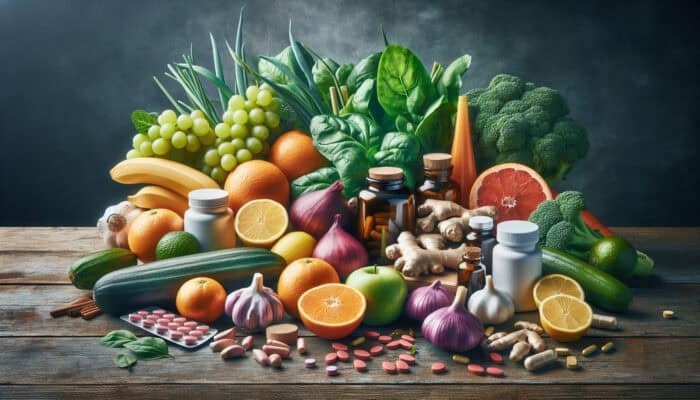
Vitamins are essential for maintaining a strong immune system in pets. Key vitamins such as A, C, and E are particularly crucial due to their ability to support various cellular functions and provide antioxidant benefits. For instance, vitamin A is critical for preserving healthy skin and mucous membranes, which serve as the first line of defense against pathogens.
Vitamin C, renowned for its immune-boosting properties, is instrumental in the production and functioning of immune cells, while vitamin E serves as a powerful antioxidant that protects cell membranes from damage. Ensuring that pets receive adequate amounts of these vital vitamins through their diet can significantly enhance their resistance to infections and promote overall health.
The Essential Role of Minerals in Supporting Immune Function
Minerals such as zinc and selenium are crucial for optimal immune functionality, supporting the production and activity of immune cells. Zinc is vital for the development and proper functioning of various immune cells, including neutrophils and macrophages, which play a significant role in the body’s defense against infections.
Conversely, selenium has been shown to enhance the immune response and reduce inflammation. Pet owners should focus on incorporating mineral-rich foods such as fish, nuts, and seeds to ensure their pets receive adequate amounts of these essential nutrients, contributing to a robust immune system and overall well-being.
The Role of Antioxidants in Supporting Immune Health
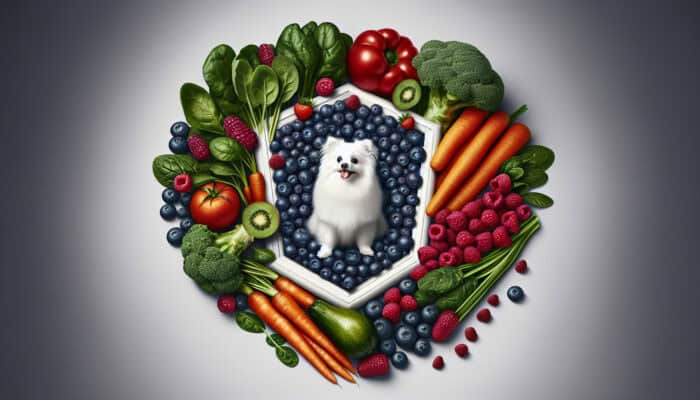
Antioxidants are crucial in protecting the body from damage inflicted by free radicals, which can undermine the immune system if left unchecked. They neutralize these harmful molecules, helping to prevent oxidative stress that can lead to cellular damage. Foods rich in antioxidants, such as vibrant fruits and vegetables, are an excellent addition to any pet's diet.
By including a diverse array of antioxidant-rich foods, pet owners not only support immune health but also enhance the overall vitality and longevity of their pets. By prioritizing nutrient-dense options, pet owners can significantly improve their pets' ability to resist illnesses and achieve optimal health.
Insights from Experts on the Benefits of Immune-Enhancing Foods for Pets
Real-World Success Stories Showcasing the Benefits of Immune-Boosting Diets
Real-life examples vividly illustrate how specific diets have positively impacted immune health in pets, providing practical insights for pet owners. Many pet owners have reported remarkable health improvements in their pets after switching to diets enriched with immune-boosting foods. Here are some inspiring success stories:
- Max, a dog frequently afflicted by infections, thrived after his owner added salmon and sweet potatoes into his meals.
- Lucy, a cat, saw a significant increase in energy levels by consuming a diet high in blueberries and spinach.
- Charlie, a senior dog, experienced a noticeable reduction in allergy symptoms after incorporating pumpkin and carrots into his diet.
- Rover, a rescue dog, underwent a remarkable health transformation after being fed a balanced diet rich in chicken and broccoli.
These real-life instances highlight the tangible benefits linked to diets enriched with immune-boosting foods, motivating pet owners to make informed dietary choices for their beloved companions.
Step-by-Step Guide to Effectively Incorporating Immune-Enhancing Foods
Providing clear and actionable steps can help pet owners seamlessly integrate immune-boosting foods into their pet's diet effectively and safely. Start by gradually introducing new ingredients, mixing small amounts of immune-boosting foods with your pet’s regular meals.
Consider these practical steps:
1. Research: Learn about various immune-boosting foods and their specific health benefits for your pet.
2. Start Slowly: Introduce one new food at a time to monitor for any adverse reactions or allergies.
3. Balance: Ensure that the new foods complement proteins, fats, and carbohydrates to maintain overall nutrition.
4. Monitor Health: Observe your pet’s energy levels, coat condition, and overall wellness as dietary changes are implemented.
By following these steps, pet owners can create a comprehensive diet that promotes immune health while ensuring their pets remain happy and healthy.
Expert Insights on the Relationship Between Diet and Immune Function
Experts provide valuable insights into how diet directly influences the immune system, empowering pet owners to make informed decisions. Nutritionists stress that a balanced diet rich in essential nutrients serves as the foundation for a robust immune response. They highlight the synergistic effects of certain nutrients, where vitamins, minerals, and antioxidants work together to enhance immune function.
For example, a combination of vitamin C and zinc can significantly boost the production of immune cells, while omega-3 fatty acids possess anti-inflammatory properties that reduce the risk of chronic diseases. By adopting a holistic approach to pet nutrition, experts guide pet owners in selecting the best foods to support their pet's immune health.
Effective Methods for Introducing Immune-Enhancing Foods into Your Pet's Diet
Identifying Beneficial Foods for Your Pet's Meals
Incorporating nutrient-rich foods such as blueberries, spinach, and salmon can greatly enhance your pet's immune system due to their high nutrient content. These foods are not only delicious but also packed with essential vitamins and minerals vital for maintaining optimal health.
Consider adding these immune-boosting foods to your pet's meals:
- Blueberries: Rich in antioxidants and vitamin C.
- Spinach: Loaded with vitamins A, C, and E, along with iron.
- Salmon: Abundant in omega-3 fatty acids known for their anti-inflammatory benefits.
- Sweet Potatoes: A fantastic source of beta-carotene and fiber.
- Broccoli: Packed with vitamins C and K, promoting overall well-being.
- Chicken: A high-quality source of essential protein and amino acids.
- Carrots: Rich in beta-carotene and fiber, beneficial for digestive health.
- Pumpkin: Provides fiber and antioxidants that support gut health.
Integrating these foods into your pet's diet can be a fun and creative endeavor, allowing pet owners to experiment with various recipes and feeding techniques.
How to Gradually Transition Your Pet to a Healthier Diet?
Taking a gradual approach to introducing new foods is essential in preventing digestive upset and helping your pet adjust to a diet enriched with immune-enhancing nutrients. Start by mixing a small amount of the new food with your pet's current diet, gradually increasing the proportion of the new food over a week or two.
Keep a close eye on your pet during this transition, noting any signs of gastrointestinal distress, such as diarrhea or vomiting. If any issues arise, consider slowing down the transition or consulting your veterinarian for guidance. This careful strategy ensures that your pet remains comfortable while adapting to their new, healthier diet.
Recognizing the Signs of a Healthy Immune System in Pets
Indicators of a thriving immune system in pets include vibrant energy levels, a shiny coat, and quick recovery from minor health issues. Pets with a robust immune response generally show enthusiasm for play, maintain a healthy appetite, and have fewer instances of infections or diseases.
A glossy coat often reflects good nutritional status, which is vital for skin health and overall well-being. Regular veterinary visits can provide additional insights into your pet's immune health, ensuring that they remain in optimal condition.
How Often Should You Introduce Immune-Enhancing Foods Into Their Diet?
Incorporate immune-boosting foods into your pet's meals at least 3 to 4 times a week to sustain optimal health and immune function. Consistency is key; ensuring that these nutrient-rich foods are an integral part of your pet’s diet can lead to significant health benefits over time.
Consider preparing meals in batches to simplify the routine of regularly mixing these foods. The goal is to create a balanced diet that not only supports immunity but also provides a variety of flavors and textures that keep your pet engaged at mealtime.
Popular Immune-Enhancing Foods for Pets
Nutrient-Dense Fruits and Vegetables for Immune Support
Fruits and vegetables such as apples, carrots, and Kale are rich in vitamins and antioxidants that strengthen the immune system. These foods are not only nutritious but also provide essential fiber that aids digestion.
Incorporating a diverse selection of fruits and vegetables can help ensure a comprehensive nutrient profile. For example, apples are high in vitamins A and C, while carrots are rich in beta-carotene, which the body converts into vitamin A. Kale, often regarded as a superfood, offers an abundance of antioxidants that can enhance immune functionality.
By providing a colorful mix of these foods, pet owners can ensure their pets receive a well-rounded diet that supports immune health and vitality.
The Essential Contribution of Protein to Immune Health
Proteins sourced from chicken, turkey, and fish provide essential amino acids critical for immune health. Proteins serve as the building blocks of the body and are crucial for the production of antibodies and immune cells.
Chicken and turkey are easily digestible protein sources, making them suitable for pets of all ages, including those with sensitive stomachs. Fish, particularly fatty varieties like salmon, not only deliver high-quality protein but also contain omega-3 fatty acids known for their anti-inflammatory benefits. Including these protein sources in your pet's diet can fortify their immune system while enhancing overall wellness.
Supplements That Support Immune Health
Supplements such as omega-3 fatty acids and probiotics can boost the immune system when included in a pet's diet. Omega-3 fatty acids, typically derived from fish oil, have been shown to bolster immune function by reducing inflammation and promoting overall health.
Probiotics, the beneficial bacteria, help maintain a balanced gut microbiome, which is essential for a healthy immune system. A well-functioning gut enhances nutrient absorption and strengthens immune responses. When considering supplements, it is crucial to consult with a veterinarian to determine the appropriate types and dosages tailored to your pet’s specific needs.
Research-Backed Benefits of Immune-Enhancing Foods for Pets
Scientific Evidence Supporting Nutrients and Their Role in Immune Function
Research consistently shows that specific nutrients, including vitamin C and zinc, significantly enhance immune function in pets. Numerous studies have demonstrated that pets consuming diets high in these nutrients experience improved resistance to infections and quicker recovery from illnesses.
For example, supplementation with vitamin C has been linked to increased white blood cell counts, which are essential for fighting infections. Likewise, zinc plays a crucial role in the production and activity of immune cells, thereby enhancing overall immune health. These findings highlight the importance of incorporating nutrient-rich foods into pets' diets to promote strong immune function.
Long-Term Advantages of Immune-Enhancing Diets
Long-term studies indicate that pets on immune-boosting diets face fewer health challenges and enjoy longer, healthier lives. Consistently providing a diet rich in essential nutrients can significantly reduce the chances of chronic diseases, enhancing both quality of life and longevity.
Pets fed well-balanced diets filled with immune-boosting ingredients tend to maintain healthier weights, exhibit better energy levels, and have lower rates of illness. This underscores the long-term benefits of investing in nutritious foods for pets, ultimately resulting in happier and healthier companions.
Expert Insights on the Importance of Immune-Enhancing Foods
Experts agree that a diet abundant in immune-boosting foods can lead to improved overall health and disease resistance in pets. With a deeper understanding of the relationship between nutrition and immune health, veterinarians and pet nutritionists advocate for the inclusion of a diverse range of nutrient-dense foods into pets' diets.
They stress the necessity of providing not just macronutrients like proteins and fats, but also micronutrients such as vitamins and minerals that are critical for a well-functioning immune system. By prioritizing immune health through diet, pet owners can make informed choices that significantly enhance their pets' quality of life.
Addressing Potential Risks and Considerations in Pet Diets
Identifying Allergies and Sensitivities in Pets
Some pets may exhibit allergies or sensitivities to specific immune-boosting foods, making careful selection and monitoring essential. It is crucial for pet owners to gradually introduce new foods, observing for any signs of allergic reactions, such as itching, swelling, or gastrointestinal disturbances.
If allergies are suspected, consulting with a veterinarian for appropriate testing and dietary guidance is advisable. By staying vigilant about potential food sensitivities, pet owners can personalize their pets' diets to ensure both safety and health benefits.
Understanding the Risks of Over-Supplementation in Pet Diets
Over-supplementing with vitamins and minerals can lead to toxicity and health issues, making moderation essential. Many pet owners may mistakenly assume that a higher intake of beneficial substances is better, but this is not always true. Certain vitamins, such as A and D, can be toxic in excessive amounts, leading to serious health complications for pets.
To avoid over-supplementation, pet owners should focus on providing a balanced diet rich in natural food sources rather than relying solely on supplements. This approach ensures that pets receive the necessary nutrients without the risk of excessive intake.
Balancing Immune-Boosting Foods with Regular Diet
Achieving a balance between immune-boosting foods and a pet's regular diet is crucial to ensure they receive all necessary nutrients without overdoing it. Pet owners should aim for a diverse diet that includes proteins, carbohydrates, fats, and a wide variety of vitamins and minerals.
Integrating immune-boosting foods should complement, not replace, regular meals. By gradually introducing these foods and maintaining a balanced nutritional profile, pet owners can optimize their pets' health without compromising their overall dietary needs.
Proven Techniques for Incorporating Immune-Boosting Foods into Your Pet's Diet
Customizing Diets to Meet Your Pet's Unique Needs
Tailoring diets based on the specific requirements and health conditions of different pets can enhance the benefits of immune health. Factors such as age, breed, weight, and existing medical conditions significantly influence the appropriate diet.
For instance, senior pets may require more easily digestible proteins and joint-supporting nutrients, while younger, active pets may thrive on higher-energy foods. Collaborating with a veterinarian or pet nutritionist can help pet owners create personalized diets that cater to their pets' unique needs and promote immune health.
Expert Perspectives on the Connection Between Diet and Immune Function
Expert insights offer a deeper understanding of how diet affects immune health, empowering pet owners to make informed choices. Professionals in veterinary nutrition emphasize the superiority of whole, fresh foods over processed options, advocating for diets that prioritize high-quality ingredients.
These analyses often clarify specific nutrient ratios and the relationships between various dietary components. Understanding these nuances enables pet owners to make choices that significantly benefit their pets' immune systems, resulting in improved health outcomes.
Practical Tips for Daily Feeding Routines
Practical tips can guide pet owners in effectively and consistently integrating immune-boosting foods into daily feeding routines. Here are several strategies to consider:
1. Meal Prep: Prepare meals in advance, incorporating a mix of immune-boosting foods to streamline feeding time.
2. Rotate Ingredients: Regularly change up the fruits and vegetables to provide diverse nutrients and keep meals exciting.
3. Use Treats Wisely: Utilize immune-boosting foods as healthy treats to reinforce positive behaviors while enhancing nutrition.
4. Monitor Portions: Keep track of portion sizes to prevent overfeeding while ensuring pets receive adequate nutrients.
By implementing these tips, pet owners can effortlessly incorporate immune-boosting foods into their pets' diets, fostering long-lasting health benefits.
Highlighting Key Ingredients for Immune Support
Identifying and detailing the advantages of specific ingredients that enhance immune health can assist pet owners in selecting appropriate foods. Key ingredients to focus on include:
- Vitamin-rich fruits and vegetables
- Lean proteins such as chicken and turkey
- Omega-3 rich fish
- Whole grains for fiber
- Fermented foods for probiotics
- Healthy fats like flaxseed oil
- Legumes for additional protein sources
- Bone broth for enhanced nutrients and flavor
By understanding these essential ingredients and their benefits, pet owners can make informed choices that strengthen their pets' immunity and overall health.
Monitoring and Adjusting Your Pet's Diet for Immune Health
How to Evaluate Your Pet's Health and Dietary Intake?
Regular veterinary check-ups and observing your pet's energy levels and coat condition are vital for assessing their health and the effectiveness of their diet. Noticing changes in behavior, weight fluctuations, and overall vitality can provide valuable insights into how well your pet responds to dietary modifications.
Additionally, maintaining a pet health journal can aid in tracking food intake, changes in activity levels, and any health issues that may arise. Documenting these details allows pet owners to communicate effectively with veterinary professionals and make necessary adjustments to their pets' diets.
When to Reassess Your Pet's Diet?
It may become necessary to adjust your pet's diet if you observe signs of illness, weight changes, or indications that their immune system appears compromised. For instance, if a normally active pet becomes lethargic or displays signs of discomfort, it may indicate the need to evaluate their nutritional intake.
Consulting with a veterinarian can provide guidance on the best course of action, whether it involves altering types of food, adjusting portion sizes, or incorporating specific supplements. Being proactive in dietary adjustments can help maintain optimal health and support a healthy immune system.
What to Do If Immune-Boosting Foods Aren't Yielding Results?
If immune-boosting foods do not seem to provide the desired results, consult with a veterinarian to explore other health issues or dietary changes. It is essential to rule out any underlying medical conditions that might be affecting your pet's immune response.
Veterinarians can recommend specific diagnostics or tests to determine if other factors are involved. They may also suggest alternative dietary strategies or additional treatments to enhance your pet's health. Addressing these concerns early is crucial for ensuring a robust immune system and overall well-being.
Frequently Asked Questions (FAQs)
What Are the Best Immune-Boosting Foods for My Pet?
Some of the most effective immune-boosting foods for pets include blueberries, salmon, sweet potatoes, spinach, and chicken. These foods are rich in vitamins, minerals, and antioxidants that strengthen the immune system and promote overall health.
How Often Should I Include Immune-Enhancing Foods in My Pet's Meals?
Aim to incorporate immune-boosting foods into your pet's diet at least 3 to 4 times a week. Consistency is key for maintaining optimal immune health and overall well-being.
Can All Pets Eat the Same Immune-Boosting Foods?
Not all pets can enjoy the same foods due to allergies or sensitivities. It is essential to customize immune-boosting options to meet your pet's specific needs, and consult a veterinarian if you are uncertain.
What Symptoms Indicate My Pet's Immune System Is Compromised?
Signs of a weakened immune system in pets include frequent infections, lethargy, poor coat quality, and slow recovery from illnesses. If you observe these symptoms, consult a veterinarian for further assessment.
Are There Risks Associated with Immune-Enhancing Foods?
Yes, some pets may have allergies to specific immune-boosting foods. Additionally, over-supplementation can lead to toxicity, so moderation is crucial when introducing new foods into your pet's diet.
How Can I Identify If My Pet Has an Allergy to a New Food?
Signs of an allergic reaction may include itching, swelling, gastrointestinal upset, and behavioral changes. If you suspect an allergy, discontinue the new food and consult with a veterinarian for guidance.
Can I Rely on Supplements Instead of Immune-Boosting Foods?
While supplements can provide benefits, whole foods offer a broader spectrum of nutrients and health advantages. It is optimal to combine both for ideal health unless otherwise advised by a veterinarian.
How Can I Determine If My Pet's Diet Is Balanced?
A balanced diet should consist of appropriate proportions of proteins, carbohydrates, fats, vitamins, and minerals. Regular veterinary check-ups and monitoring your pet's health can help evaluate dietary balance and overall wellness.
What Should I Do If My Pet Refuses Immune-Enhancing Foods?
If your pet is reluctant to consume immune-boosting foods, try mixing them with familiar favorites or offering them in various forms, such as purees or treats. Patience and gradual introduction can facilitate acceptance.
How Important Is Hydration When Feeding Immune-Enhancing Foods?
Hydration is essential for all pets, especially when incorporating new foods. Ensure your pet has constant access to fresh water to support digestion and maintain overall health.
Connect with Us on Facebook!
The Article Immune Boosting Foods for Pets: Essential Nutrients: First Published On https://elgatoencasa.com
The Article Immune Boosting Foods: Essential Nutrients for Pets Was Found On https://limitsofstrategy.com
The Article Immune Boosting Foods for Pets: Key Nutrients Explained First Appeared ON
: https://ad4sc.com













Leave a Reply