

Enhance Your Heart Health with Nutrient-Rich Foods
Discover the Heart-Boosting Advantages of Diverse Vegetables
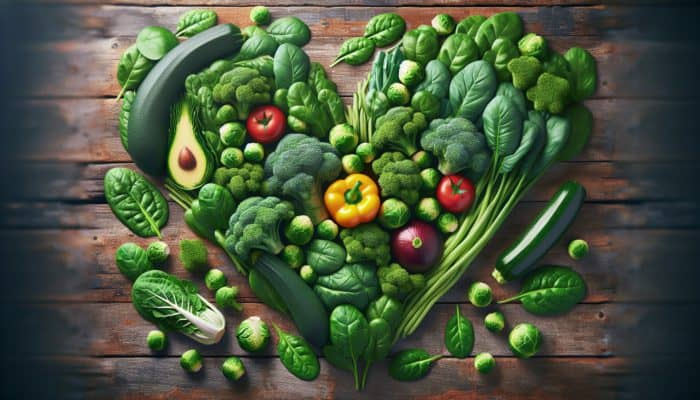
Best Recipes for a Heart-Healthy Diet: Integrating a wide range of vegetables into your daily meals is one of the most impactful strategies to markedly improve your heart health. These nutrient powerhouses are celebrated for their rich content of vital vitamins, minerals, and dietary fibre, which are essential for maintaining optimal cardiovascular health. Leafy greens like spinach and kale stand out for their high levels of potassium and magnesium, crucial elements that help regulate blood pressure. Moreover, cruciferous vegetables such as broccoli and Brussels sprouts are enriched with powerful antioxidants that help fight inflammation and oxidative stress, further bolstering heart health and overall wellness.
To fully harness the benefits of these nutrient-dense foods, aim to fill half your plate with a colorful variety of vegetables at every meal. This practice not only enhances your nutrient intake but also promotes a diverse gut microbiome, which is vital for comprehensive health. Explore creative ways to prepare your vegetables by incorporating spinach into smoothies, roasting an assortment of vegetables to elevate grain bowls, or serving a fresh salad with your meals. The goal is to make vegetables not just a healthy choice, but a delicious and essential part of your culinary experience, enriching both flavor and nutritional value.
Unlock the Heart-Healthy Properties of Whole Grains
Whole grains are an irreplaceable element of a heart-healthy diet. Unlike refined grains that have been processed and stripped of their nutrients, whole grains preserve their natural fibre and essential nutrients. This dietary fibre is critical for effectively managing cholesterol levels, lowering LDL (bad cholesterol) while supporting HDL (good cholesterol). Foods such as oats, brown rice, quinoa, and barley are superb sources of whole grains that can significantly mitigate the risk of heart disease and enhance cardiovascular health.
Incorporating whole grains into your daily meals is easier than you might imagine. Start your day with a comforting bowl of oatmeal topped with fresh fruit, or elevate your lunch by choosing whole-grain bread. For dinner, consider replacing white rice with quinoa or barley, both of which not only enhance the nutritional profile but also add delightful textures to your meals. By regularly including whole grains in your diet, you contribute to improved heart health, making them an indispensable component of any heart-healthy meal plan.
Understanding the Impact of Healthy Fats on Heart Wellness
When contemplating heart health, it is essential to recognize that not all fats are created equal. Healthy fats, predominantly found in avocados, nuts, seeds, and olive oil, are crucial for maintaining optimal cardiovascular function. These beneficial fats can improve cholesterol levels, reduce inflammation, and provide essential fatty acids that our bodies cannot synthesize. For example, avocados are rich in monounsaturated fats, known to positively influence heart health by lowering harmful cholesterol levels.
To effectively integrate healthy fats into your diet, consider drizzling olive oil over salads, snacking on a handful of nuts, or adding creamy slices of avocado to your morning toast. By substituting saturated fats—often present in processed foods and fatty cuts of meat—with these healthier alternatives, you can foster a more heart-friendly eating pattern. Keep in mind that moderation and variety are key; ensure that healthy fats complement your meals without overpowering them.
Emphasize Lean Proteins for Optimal Heart Health
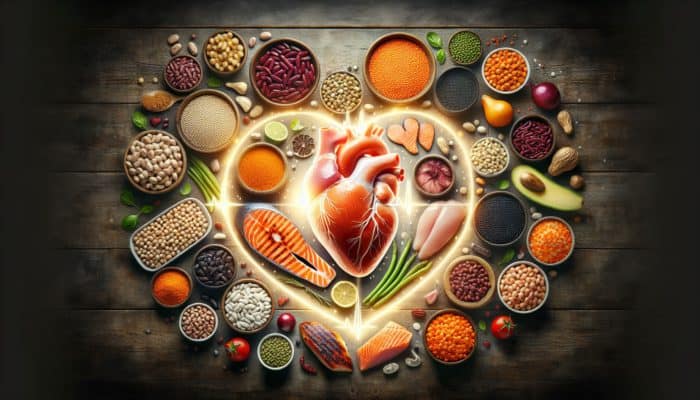
Incorporating lean proteins such as fish, poultry, and legumes into your diet is a fantastic approach to enhancing heart health. These protein sources deliver essential nutrients while helping to lower saturated fat intake, thereby reducing the risk of heart disease. Fish, especially varieties like salmon and mackerel, are abundant in omega-3 fatty acids, which are advantageous for both heart and brain health. Poultry, when cooked without the skin, serves as an excellent source of protein with minimal fat content.
Legumes, including lentils, chickpeas, and beans, are outstanding plant-based sources of lean protein that are also high in fibre, making them especially beneficial for heart health. You can easily incorporate these nutritious legumes into your meals by adding them to salads, soups, or using them as a base for vegetarian dishes. By prioritizing lean proteins, you ensure that your heart receives the essential nutrients it needs through a balanced diet while enjoying a diverse and satisfying array of meals.
Discover Expert Recommendations for Heart-Healthy Recipes
Delicious Real-World Examples of Nutritious Meals
Creating delectable and heart-healthy meals is both achievable and enjoyable. Dishes such as grilled salmon paired with a quinoa and spinach salad or a hearty chickpea stew packed with vegetables demonstrate how seamlessly you can incorporate nutrient-dense ingredients into your cooking. These meals not only tantalize your taste buds but also deliver the essential nutrients vital for optimal cardiovascular health. Key ingredients that elevate these recipes include:
- Salmon (rich in omega-3 fatty acids)
- Quinoa (a complete protein and whole grain)
- Spinach (loaded with vital vitamins and minerals)
- Chickpeas (high in protein and fibre)
- Olive oil (a source of healthy fats)
- Tomatoes (rich in lycopene, an antioxidant)
- Bell peppers (packed with vitamin C)
- Garlic (known for its cardiovascular benefits)
Each of these meals can be prepared in under an hour, making them perfect for busy lifestyles. The joy of heart-healthy cooking lies in the ability to experiment with flavors and textures, ensuring you never feel deprived while making choices that positively impact your heart.
Practical Strategies for Successful Meal Planning

Effective meal planning is a vital component of maintaining a heart-healthy diet. By dedicating time to organize your meals, you can ensure that nutritious ingredients are readily available, significantly minimizing the temptation to opt for unhealthy alternatives. Begin by setting aside a day each week to outline your meals, emphasizing the inclusion of a diverse array of vegetables, whole grains, and lean proteins. A practical approach involves creating a shopping list based on your planned meals, ensuring you stock up on heart-healthy ingredients.
- Select a variety of colors and textures in your vegetables
- Incorporate whole grains into every meal
- Include a lean protein source in each recipe
- Prepare meals in batches, such as soups or stews, to save time
- Utilize healthy fats like olive oil as your primary cooking fat
- Pack nutritious snacks, such as nuts or fruits, for on-the-go
- Experiment with new recipes to keep meals exciting
- Take advantage of seasonal produce for freshness and flavor
Meal planning not only streamlines your grocery shopping but also cultivates healthier eating habits over time, empowering you to make informed decisions that support your heart health.
Expert Insights on the Impact of Dietary Fats
The realm of dietary fats can be complex; however, grasping the distinctions among them is crucial for achieving optimal heart health. Healthy fats, such as those sourced from avocados, nuts, and fish, are celebrated for their heart-protective properties, including lowering bad cholesterol levels and reducing inflammation. Conversely, saturated and trans fats, commonly found in processed foods and fatty meats, can raise the risk of cardiovascular disease. It’s advisable to limit these unhealthy fats while actively pursuing heart-friendly alternatives.
When incorporating healthy fats, pay attention to portion sizes and how they align with your overall dietary goals. Simple substitutions can yield substantial benefits; for instance, using olive oil instead of butter, adding a handful of walnuts to your breakfast, or enjoying a small serving of dark chocolate for dessert can enrich your diet while promoting heart health. By staying informed about dietary fats, you can make conscious choices that benefit both your palate and your heart.
The Essential Role of Whole Grains in Your Diet
Whole grains are foundational to a heart-healthy diet, offering essential nutrients that contribute to overall well-being and health. The fibre present in whole grains plays a pivotal role in regulating cholesterol levels and maintaining steady blood sugar, both crucial elements for heart health. Foods such as oats, brown rice, and whole-wheat products are excellent sources of whole grains that can be easily incorporated into your meals. Regular consumption of whole grains has been linked to a reduced risk of heart disease, making them an invaluable addition to your dietary regimen.
To boost your intake of whole grains, consider substituting white rice with brown rice or quinoa, and selecting whole-grain bread instead of white bread. Breakfast can be enhanced by choosing oatmeal topped with fresh fruit and nuts. With a wide array of options available, whole grains can be both satisfying and delicious, ensuring that your heart health remains a priority in your dietary choices.
How Regular Physical Activity Enhances Heart Health
Engaging in regular physical activity is an essential aspect of a heart-healthy lifestyle, complementing dietary choices to improve cardiovascular wellness. Consistent exercise helps maintain a healthy weight, lowers blood pressure, and enhances overall heart function. Activities such as walking, cycling, swimming, or dancing can significantly benefit heart health. Aim for a minimum of 150 minutes of moderate aerobic exercise each week, in addition to strength training exercises twice a week, to maintain muscle mass and metabolic health.
Incorporating physical activity into your daily routine doesn’t have to be daunting. Simple strategies include opting for stairs instead of elevators, taking brisk walks during breaks, or participating in group classes. Not only does exercise promote heart health, but it also positively influences mood, thereby enhancing overall quality of life. By combining a heart-healthy diet with regular physical activity, you create a powerful synergy that protects and promotes cardiovascular wellness.
How Cooking Methods Affect Heart Health
Which Cooking Techniques Can Enhance Heart Health?
Various cooking methods can greatly impact the nutritional value of food, which is vital for maintaining heart health. Techniques such as steaming, baking, and grilling not only preserve the integrity of ingredients but also typically require less added fat compared to other methods, promoting heart health overall. For example, steaming vegetables helps retain their nutrients and vibrant colors, making them more appealing and nutritious.
Grilling lean proteins and vegetables infuses natural flavors without the need for excessive oils, while baking allows for a range of dishes to be prepared without unhealthy fats. Emphasizing these cooking techniques in your meal preparation can yield heart-healthy outcomes. Additionally, for flavoring, opt for herbs and spices instead of heavy sauces to keep meals both delicious and nutritious. By adopting these cooking methods, you not only enhance the nutritional profile of your meals but also cultivate enjoyable dining experiences that support your heart health.
Should You Avoid Frying for Better Heart Health?
Avoiding frying is highly advisable for maintaining optimal heart health. Frying foods can significantly increase their fat content, especially when using unhealthy oils or when food absorbs excess oil during cooking. This method can lead to higher calorie consumption and an increase in saturated and trans fats, both of which are harmful to cardiovascular health. Instead, exploring alternative cooking methods that focus on preserving the nutritional value of ingredients is far more beneficial.
Steaming, baking, and grilling serve as excellent alternatives for cooking without sacrificing taste or texture. For those who enjoy crispy textures, consider oven-baking foods with a light coating of healthy oil or using an air fryer, which can achieve a similar effect with less fat. By consciously replacing frying with healthier cooking techniques, you can enjoy delicious meals while promoting heart health.
Is Broiling a Heart-Healthy Cooking Method?
Broiling is indeed a heart-healthy cooking technique that allows excess fats to drip away from the food, reducing calorie intake and making it suitable for a heart-conscious diet. This method is similar to grilling but involves cooking food under a heat source, resulting in quick cooking times while preserving flavor without excessive fats. Broiling works particularly well for lean meats, fish, and vegetables, creating dishes that are both nutritious and satisfying.
To keep broiled dishes heart-healthy, be mindful of the seasonings used. Opt for minimal salt and enhance flavors with fresh herbs, spices, or citrus juices to maintain light and tasty meals. Broiling can be a convenient way to prepare quick meals, making it an ideal choice for those seeking healthier cooking options without compromising on deliciousness.
How Does Boiling Impact Heart Health?
Boiling can be a beneficial cooking method, particularly for vegetables and lean proteins, as it helps reduce fat content while preserving nutrients. When boiling vegetables, it's essential to avoid overcooking, as this can lead to the loss of vital vitamins and minerals. Quick boiling or blanching can maintain vibrant colors and nutrients, making them more appealing and nutritious for heart health.
For meats, boiling can effectively remove excess fat, making it an efficient method for preparing lean cuts. Moreover, incorporating boiled vegetables into meals ensures that you benefit from their high fiber and nutrient content, which is essential for cardiovascular health. As with other cooking methods, flavor can be enhanced through the use of herbs and spices rather than heavy sauces, ensuring every meal is both healthy and delicious.
What Are the Benefits of a Plant-Based Diet for Heart Health?
How Do Plant-Based Diets Lower the Risk of Heart Disease?
Embracing a plant-based diet is associated with a decreased risk of heart disease, mainly due to its focus on nutrient-rich foods that bolster cardiovascular health. Plant-based diets are rich in fruits, vegetables, whole grains, and legumes, all of which are high in fibre, antioxidants, and essential nutrients. These components work together to lower cholesterol levels, regulate blood pressure, and reduce inflammation—all critical factors in preventing heart disease.
Numerous studies consistently demonstrate that individuals following a plant-based diet often experience lower rates of hypertension and higher levels of high-density lipoprotein (HDL) cholesterol. Including a diverse range of plant-based foods not only provides essential nutrients but also promotes healthier eating patterns overall. Transitioning to a plant-based approach can be a gradual process, starting with meatless meals a few times a week and eventually leading to a more heart-healthy lifestyle.
Can a Plant-Based Diet Help Regulate Blood Pressure?
Absolutely, a plant-based diet can effectively lower blood pressure, a crucial factor for heart health. Diets abundant in fruits, vegetables, whole grains, and legumes have been proven to enhance vascular function and decrease blood pressure levels. The high potassium content in many plant foods helps counterbalance the effects of sodium and regulate blood pressure.
Incorporating foods such as bananas, spinach, sweet potatoes, and beans into your daily meals can significantly improve blood pressure management. Additionally, the generally low-sodium nature of a plant-based diet minimizes the risk of hypertension, making it an excellent choice for those focused on heart health. Over time, adopting a plant-centric approach can lead to enduring improvements in cardiovascular function and overall wellness.
Are Plant-Based Proteins Healthier for Your Heart?
Plant-based proteins, including legumes, tofu, and tempeh, often offer healthier options for heart health compared to animal-based proteins. These plant-derived protein sources are typically low in saturated fats and high in fibre, which can assist in managing cholesterol levels and promoting cardiovascular health. For instance, lentils and chickpeas are not only rich in protein but also packed with essential nutrients that enhance heart health.
Incorporating a variety of plant-based proteins into your meals can improve your diet's nutritional profile while reducing reliance on red and processed meats, which are linked to a higher risk of heart disease. By making small adjustments, such as swapping beans for meat in stews or using quinoa as a base for salads, you can enjoy flavorful meals that support your heart health while satisfying your taste buds.
Does a Plant-Based Diet Enhance Overall Cardiovascular Function?
A plant-based diet can significantly improve overall cardiovascular function by promoting better blood vessel health and reducing inflammation. The nutrients found in plant foods, including antioxidants and phytochemicals, play a critical role in maintaining healthy blood vessels and minimizing the risk of atherosclerosis. This is vital for ensuring that blood flows freely, thereby supporting overall heart function.
Furthermore, a plant-based diet encourages higher consumption of foods rich in fibre, which not only aids digestion but also helps regulate blood cholesterol levels. Adopting this dietary approach can offer long-term benefits, including enhanced cardiovascular health, better weight management, and improved overall well-being. Transitioning to a plant-centric lifestyle can be both fulfilling and empowering, contributing positively to your heart health.
Creating Balanced Meals for Optimal Heart Health
The Significance of Portion Control for Heart Wellness
Understanding portion sizes is essential for managing calorie intake, a crucial factor in maintaining a healthy heart. Overeating can lead to weight gain, a significant risk factor for heart disease. Practicing portion control allows individuals to enjoy a variety of foods while adhering to dietary guidelines that support heart health. This can be achieved through mindful eating techniques, such as being aware of hunger and fullness cues, as well as utilizing smaller plates to help regulate serving sizes.
Employing a balanced plate approach can further assist in portion control. Strive to fill half your plate with vegetables and fruits, one-quarter with lean protein, and one-quarter with whole grains. This not only ensures a balanced intake of macronutrients but also provides the vitamins and minerals necessary for optimal heart health. By being mindful of portion sizes, you can indulge in a wide array of foods without compromising your heart health.
How to Effectively Balance Macronutrients for Heart Health?
Balancing macronutrients—carbohydrates, proteins, and fats—is vital for promoting heart health. A heart-healthy plate typically consists of complex carbohydrates, lean proteins, and healthy fats, ensuring that each meal provides a well-rounded intake of nutrients. Complex carbohydrates, primarily found in whole grains, fruits, and vegetables, deliver sustained energy and are rich in dietary fibre, supporting cardiovascular health.
When selecting protein sources, focus on incorporating lean options such as fish, poultry, legumes, and tofu. These choices deliver essential amino acids while keeping saturated fat intake low. Healthy fats, particularly those derived from plants like avocados and nuts, should also be prioritized, as they contribute to improved cholesterol levels. By thoughtfully balancing these macronutrients, you can create meals that support heart health while pleasing your palate.
What Role Do Micronutrients Play in Supporting Heart Health?
Micronutrients, including vitamins and minerals, are crucial for maintaining heart health. For instance, potassium and magnesium are essential for regulating blood pressure, while antioxidants, such as vitamins C and E, protect against oxidative stress that can damage blood vessels. Incorporating a variety of nutrient-dense foods, such as fruits, vegetables, nuts, and seeds, into your diet ensures that you obtain these essential micronutrients.
Moreover, a diet rich in antioxidants can help combat inflammation and support overall cardiovascular function. Foods like berries, dark leafy greens, and colorful vegetables are particularly beneficial due to their high antioxidant content. Striving for a diverse and colorful diet will not only provide a broad spectrum of micronutrients but will also enhance the overall flavor and enjoyment of your meals, positively contributing to heart health.
Research-Backed Benefits of Heart-Healthy Recipes
Highlighting Practical Heart-Healthy Recipes
Offering practical recipes that promote heart health can inspire individuals to make healthier choices in the kitchen. For instance, a Mediterranean quinoa salad loaded with black beans, cherry tomatoes, cucumbers, and a zesty lemon-olive oil dressing provides a delightful array of flavors while being rich in essential nutrients such as fibre, protein, and healthy fats. Key nutrients in this recipe include:
- Fibre (from quinoa and beans)
- Omega-3 fatty acids (from olive oil)
- Antioxidants (from tomatoes and cucumbers)
- Vitamins (from various vegetables)
- Minerals (such as magnesium and potassium)
Another excellent option is a baked salmon dish served with a side of roasted vegetables, rich in omega-3 fatty acids and essential vitamins. These recipes are not only easy to prepare but also showcase the delicious possibilities of heart-healthy eating, motivating others to embrace nutritious habits that support cardiovascular health.
Effective Strategies for Incorporating Heart-Healthy Ingredients
Integrating heart-healthy ingredients into your everyday cooking can be straightforward with a few strategic steps. Start by evaluating your pantry and refrigerator to ensure you have a variety of whole grains, lean proteins, and vegetables on hand for quick meal preparation. Here are practical tips to help you stock up on heart-healthy ingredients:
- Select whole-grain options when buying bread, pasta, and rice.
- Purchase fresh or frozen fruits and vegetables to ensure a diverse and nutritious diet.
- Look for low-sodium options when selecting canned goods.
- Incorporate plant-based proteins, such as lentils or beans, into your meals for healthier choices.
- Invest in quality oils, such as olive or avocado oil, for cooking.
- Experiment with herbs and spices instead of salt for flavoring.
- Plan meals around seasonal produce for freshness and flavor.
- Prepare snacks using nuts and seeds for a convenient, heart-healthy option.
These actionable steps empower you to make informed choices, ensuring that heart-healthy ingredients become staples in your culinary repertoire.
Expert Opinions on the Dietary Impact on Heart Health
The influence of diet on heart health is profound and cannot be overstated. Research indicates that dietary patterns rich in fruits, vegetables, whole grains, and lean protein are associated with a significantly lower risk of cardiovascular disease. In contrast, diets high in processed foods, sugars, and unhealthy fats elevate the risk of heart disease. Understanding these correlations is essential for making informed dietary choices that support heart health.
Moreover, it’s vital to consider the overall quality of one’s diet rather than focusing solely on individual nutrients. A holistic approach that prioritizes whole, minimally processed foods is far more advantageous for the heart than merely avoiding specific items. By adopting a heart-healthy dietary pattern, individuals can not only enhance their cardiovascular health but also improve their overall quality of life.
How Lifestyle Changes Can Enhance a Heart-Healthy Diet
What Role Does Exercise Play in Maintaining Heart Wellness?
Regular physical activity is a foundational element of sustaining heart health. Exercise plays a critical role in managing weight, lowering blood pressure, and improving overall cardiovascular function. Engaging in aerobic activities like brisk walking, cycling, or swimming strengthens the heart muscle and enhances circulation, both of which are essential for optimal heart health. Experts recommend aiming for a minimum of 150 minutes of moderate-intensity exercise each week to achieve significant health benefits.
Incorporating strength training exercises into your routine can further enhance heart health by increasing muscle mass and metabolism. Simple activities, such as gardening or taking the stairs instead of the elevator, can boost daily movement. By making exercise an enjoyable part of your lifestyle, you foster a proactive approach to heart health that complements your dietary choices.
Can Stress Management Techniques Improve Heart Health?
Employing effective stress management techniques can significantly impact heart health. Chronic stress is known to elevate levels of stress hormones, which can lead to increased blood pressure and heart rate, placing strain on the cardiovascular system. Implementing stress-reducing practices such as mindfulness meditation, yoga, or even regular physical activity can help mitigate these effects, fostering a sense of calm and promoting better heart health.
Additionally, engaging in hobbies or activities that bring you joy can also serve as a form of stress relief, improving overall emotional well-being. Prioritizing time for self-care and relaxation is crucial for maintaining a healthy heart. By incorporating effective stress management strategies, you create a supportive environment for your heart and overall health.
Is Quitting Smoking Essential for Heart Health?
Quitting smoking is one of the most impactful changes you can make for your heart health. Smoking is a significant risk factor for cardiovascular disease, contributing to plaque buildup in the arteries and increasing the likelihood of heart attacks and strokes. Research indicates that individuals who quit smoking experience notable improvements in their heart health, including reduced blood pressure and improved circulation.
Furthermore, the benefits of quitting extend beyond the heart, enhancing overall health and well-being. Those who stop smoking often notice improvements in lung function, energy levels, and skin health. Seeking support through cessation programs or counseling can greatly improve the chances of successfully quitting. By committing to quit smoking, you take a monumental step towards better heart health.
What Are the Essential Nutrients for a Heart-Healthy Diet?
How Does Fibre Contribute to Heart Health?
Fibre is a crucial nutrient for heart health, playing a significant role in lowering cholesterol levels and promoting a healthy digestive system. Soluble fibre, in particular, is effective at reducing LDL cholesterol and is found in foods such as oats, beans, and apples. Aim for a diet rich in fibre from fruits, vegetables, whole grains, and legumes to support cardiovascular health and maintain stable blood sugar levels.
Additionally, fibre helps in managing a healthy weight by promoting feelings of fullness, which can aid in preventing overeating. Gradually increasing your fibre intake while ensuring you drink plenty of water can make this transition smoother and more effective. By prioritizing fibre-rich foods, you provide your heart with essential support while enhancing overall health.
What Role Do Omega-3 Fatty Acids Play in Heart Health?
Omega-3 fatty acids are essential for heart health and are well-known for their anti-inflammatory and heart-protective properties. These healthy fats can help lower triglyceride levels, reduce blood pressure, and improve cholesterol profiles. Sources of omega-3 fatty acids include fatty fish like salmon and mackerel, as well as plant-based options like flaxseeds and walnuts. Incorporating these foods into your diet can significantly improve cardiovascular function.
To maximize the benefits of omega-3s, aim to include these foods in your meals multiple times a week. Simple ways to integrate flaxseeds include adding them to smoothies, snacking on walnuts, or preparing fish dishes for dinner. By making omega-3 fatty acids a regular part of your diet, you actively support your heart health.
Can Antioxidants Safeguard Heart Health?
Antioxidants play a vital role in protecting heart health by neutralizing free radicals that can cause cellular damage and contribute to heart disease. Foods rich in antioxidants, such as berries, dark chocolate, and green leafy vegetables, can help combat oxidative stress and reduce inflammation in the body. Incorporating a variety of antioxidant-rich foods into your diet not only enhances flavor but also strengthens your heart health.
A colorful plate often indicates a diet high in antioxidants, so aim to include a diverse range of fruits and vegetables in your meals. Options like blueberries, strawberries, spinach, and kale are all rich in antioxidants and can be easily integrated into snacks, smoothies, or main dishes. By prioritizing antioxidant-rich foods, you support your heart while enjoying delicious and vibrant meals.
Simple Heart-Healthy Recipes for Daily Cooking
Quick and Easy Heart-Healthy Breakfast Ideas
Starting your day with heart-healthy breakfast options sets a positive tone for a nutritious day ahead. Consider oatmeal topped with berries and a sprinkle of nuts, providing a balanced mix of fibre, antioxidants, and healthy fats. Another great option is a smoothie made with spinach, banana, and almond milk, delivering a refreshing burst of nutrients while being easy to prepare.
For those who prefer savory breakfasts, scrambled eggs with tomatoes and avocado on whole-grain toast can be a delightful way to kickstart your morning. Each of these choices is not only quick to prepare but also ensures that you start your day with a nutrient-dense meal, supporting your heart health from the outset. Emphasizing whole foods for breakfast can energize both your body and mind, paving the way for a productive day.
What Are Some Heart-Healthy Lunch Ideas to Consider?
For lunch, think about a vibrant salad filled with mixed greens, grilled chicken or tofu, chickpeas, and a variety of colorful vegetables. Drizzle with a homemade dressing of olive oil and balsamic vinegar for added flavor and heart-healthy fats. Another satisfying option is a whole-grain wrap stuffed with hummus, spinach, and roasted vegetables, providing both nutrients and energy to fuel your afternoon.
These meals can be prepped in advance, allowing for quick grab-and-go options that are both nutritious and filling. By prioritizing heart-healthy ingredients at lunch, you ensure that your midday meal positively contributes to your overall health and keeps your energy levels steady throughout the day.
How to Prepare Heart-Healthy Dinners?
Dinner recipes can include baked salmon served with quinoa and steamed vegetables, creating a balanced and heart-healthy meal that is rich in omega-3 fatty acids, fibre, and essential vitamins. Another option is a hearty vegetable stir-fry with brown rice and tofu, packed with protein and antioxidants, making it both filling and nutritious.
Preparing dinner does not need to be time-consuming; simple dishes can be both delicious and healthy, ensuring that your evening meals support cardiovascular health. By focusing on whole foods and nutrient-rich ingredients, you create satisfying meals that nourish your body and delight your taste buds, reinforcing the importance of heart health in your daily routine.
Frequently Asked Questions About Heart Health
Which Foods Are Best for Promoting Heart Health?
The optimal foods for heart health include fruits, vegetables, whole grains, lean proteins, and healthy fats. Foods high in omega-3 fatty acids, such as fatty fish, nuts, and seeds, are particularly beneficial for cardiovascular well-being.
How Often Should I Consume Fish for Optimal Heart Health?
It is recommended to eat fatty fish at least twice a week to reap the heart-healthy benefits of omega-3 fatty acids, which can help reduce inflammation and significantly boost heart health.
Can I Still Enjoy Desserts While Following a Heart-Healthy Diet?
Absolutely, you can indulge in desserts on a heart-healthy diet by choosing options that feature fruits, whole grains, and healthy fats. Dark chocolate and fruit-based desserts can satisfy your sweet cravings while remaining beneficial for heart health.
What Are Some Heart-Healthy Snacks You Can Enjoy?
Heart-healthy snacks include unsalted nuts, fresh fruits, yogurt, hummus with vegetables, and whole-grain crackers. These options provide essential nutrients without excessive sugar or unhealthy fats, making them excellent choices for a healthy snack.
How Does Chronic Stress Affect Heart Health?
Chronic stress can result in elevated blood pressure and heart rate, causing the heart to work harder. Managing stress through techniques like exercise, meditation, and relaxation can significantly reduce the risk of heart disease and enhance overall well-being.
Is a Vegetarian Diet Effective for Improving Heart Health?
Yes, a vegetarian diet can be highly effective for heart health, as it typically includes a variety of fruits, vegetables, and whole grains while reducing saturated fats found in animal products, thereby promoting cardiovascular wellness.
What Role Does Regular Exercise Play in Promoting Heart Health?
Regular exercise strengthens the heart muscle, improves circulation, lowers blood pressure, and helps maintain a healthy weight—all crucial factors in promoting overall heart health and reducing the risk of cardiovascular disease.
Are There Specific Foods I Should Avoid to Better Support Heart Health?
To promote heart health, it is advisable to avoid trans fats, excess saturated fats, high-sugar foods, and highly processed items. These can contribute to heart disease and should be limited in your diet for optimal cardiovascular health.
Can Drinking Alcohol Impact Heart Health?
Moderate alcohol consumption may offer some heart health benefits; however, excessive drinking can lead to high blood pressure and other cardiovascular issues. It’s best to consult a healthcare provider for personalized advice regarding alcohol consumption and heart health.
How Can I Start Making Healthier Choices for My Heart?
You can begin by gradually incorporating more fruits, vegetables, whole grains, and lean proteins into your meals while reducing your intake of processed foods. Meal planning and mindful eating can also assist you in making heart-healthy choices and supporting your overall well-being.
Connect with us on Facebook for the latest updates!
The post Best Recipes for a Heart-Healthy Diet: Universal Tips appeared first on https://cookinggods.com
The Article Heart-Healthy Diet: Top Recipes and Universal Tips Was Found On https://limitsofstrategy.com
The Article Heart-Healthy Diet: Essential Recipes and Tips for Wellness First Appeared ON
: https://ad4sc.com












Leave a Reply