The Article Blood Sugar Control: Discover Berberine Benefits First Appeared ON
: https://snopug.org
Unlock the Extensive Advantages of Berberine for Effective Blood Sugar Control
Diving Deep Into Berberine’s Mechanisms for Optimal Blood Sugar Regulation
The benefits of berberine for blood sugar regulation arise from its exceptional ability to activate AMP-activated protein kinase (AMPK), an essential enzyme pivotal in maintaining cellular energy balance. This enzyme is crucial for glucose metabolism, as its activation significantly enhances insulin sensitivity. When AMPK is activated, cells become more proficient at absorbing glucose, which is particularly advantageous for individuals battling insulin resistance, a common precursor to type 2 diabetes. By improving the interaction between insulin and its receptors, berberine encourages the efficient uptake of glucose, resulting in lower blood sugar levels and enhanced overall metabolic health.
Additionally, the activation of AMPK initiates a series of metabolic processes that further refine blood sugar control. For instance, AMPK activation facilitates the translocation of glucose transporter type 4 (GLUT4) to the cell membrane, which is essential for glucose absorption in both muscle and fat tissues. This intricate mechanism underscores berberine's role as a formidable ally in combating diabetes and various metabolic disorders, presenting a natural alternative to conventional treatments that often come with undesirable side effects.
On a broader scale, comprehending the effects of berberine on metabolic health is critical. Countries grappling with escalating diabetes rates, such as India and China, stand to benefit immensely from insights into how berberine functions. As traditional dietary practices become increasingly overshadowed by Western lifestyles, the demand for effective interventions like berberine grows more urgent. Integrating this natural compound into dietary habits could lead to remarkable public health improvements, particularly in regions where access to conventional medications is limited and healthcare resources are scarce.
Understanding Berberine’s Essential Role in Glucose Metabolism
Berberine’s impact on glucose metabolism is profound, primarily due to its ability to inhibit the enzyme alpha-glucosidase, which is responsible for breaking down carbohydrates in the intestines. This inhibition results in a slower absorption of carbohydrates, effectively reducing post-meal spikes in blood sugar levels. For individuals managing diabetes or prediabetes, this mechanism can be transformative. By regulating the rate at which carbohydrates convert to glucose, berberine aids in achieving better blood sugar control post-meals, resulting in enhanced metabolic stability and a healthier lifestyle.
This effect is particularly beneficial in regions with high-carbohydrate diets. For example, traditional dietary customs in parts of Southeast Asia often emphasize substantial amounts of rice and other carbohydrate-rich foods. By incorporating berberine into their daily routines, individuals may mitigate the adverse effects associated with these dietary practices, promoting improved metabolic health and superior blood sugar management.
Furthermore, the implications of berberine on glucose metabolism extend beyond immediate blood sugar control. Regular supplementation has been linked with enhanced overall metabolic profiles, reducing the risks associated with chronic conditions such as cardiovascular disease and obesity. Research indicates that consistent use of berberine can lower fasting blood glucose levels, providing an additional layer of protection against the long-term complications of diabetes while encouraging a healthier lifestyle overall.
Analyzing Berberine’s Key Impact on Liver Glucose Production
The liver plays a crucial role in glucose regulation, producing glucose through a process known as gluconeogenesis. Berberine significantly influences this process, effectively reducing gluconeogenesis and thereby decreasing fasting blood glucose levels. This action is vital for maintaining stable blood sugar, especially during fasting periods or vigorous physical activity when the body requires precise glucose regulation.
Globally, berberine’s impact on liver function can be particularly significant in regions with high occurrences of metabolic syndrome and fatty liver disease. For instance, Mediterranean countries, where dietary practices exacerbate the prevalence of fatty liver disease, can greatly benefit from berberine’s ability to regulate liver glucose production. Individuals in these areas can greatly enhance their health by incorporating berberine into their daily routines, as it not only assists in blood sugar regulation but also promotes overall liver health.
Long-term studies suggest that berberine can substantially improve liver function, thereby diminishing the risks associated with fatty liver disease and its complications. Protecting liver health is essential, given the organ’s pivotal role in numerous metabolic processes. By effectively managing liver glucose production, berberine supports a balanced and sustainable approach to blood sugar control, paving the way for a healthier future for those at risk.
Boosting Gut Health Through Berberine’s Influence on Gut Microbiota
The gut microbiota represents a complex ecosystem that significantly influences metabolic health, including blood sugar regulation. Berberine has shown a positive effect on gut microbiota, promoting the proliferation of beneficial bacteria while suppressing harmful strains. This balance is crucial for maintaining metabolic health and enhancing insulin sensitivity, thereby contributing to effective blood sugar management.
Research indicates that a diverse gut microbiome can greatly improve glucose metabolism, leading to more effective blood sugar regulation. By fostering a healthy gut environment, berberine not only supports immediate blood sugar management but also contributes to long-term metabolic health. This is particularly relevant globally, as dietary patterns differ widely across cultures, impacting gut health and consequently blood sugar control.
In regions where diets are typically low in fiber and high in processed foods, negative effects on gut health can lead to insulin resistance and poor blood sugar management. Berberine presents a sustainable solution, as it can positively alter the composition of gut microbiota, helping to reverse these detrimental trends. Additionally, the connection between gut health and metabolic function underscores the importance of holistic health approaches that incorporate dietary changes, supplementation, and lifestyle modifications. As global diets continue to evolve, the significance of effective strategies like berberine in supporting gut health and enhancing the benefits of berberine for blood sugar management becomes increasingly critical.
Boosting Insulin Sensitivity with Berberine
Enhancing Insulin Receptor Efficiency with Berberine
One of the most significant benefits of berberine for blood sugar management is its remarkable capability to enhance the functionality of insulin receptors. This action is essential for improving glucose uptake by cells, particularly within muscle and adipose tissues. By increasing the sensitivity of insulin receptors, berberine effectively alleviates insulin resistance, a condition affecting many individuals living with type 2 diabetes and prediabetes.
Research has shown that berberine can elevate the expression of insulin receptors on cell surfaces, making them more responsive to insulin. This enhancement in receptor activity not only facilitates glucose transport but also helps to lower circulating insulin levels. This is particularly beneficial for those grappling with elevated insulin levels due to insulin resistance.
From a global perspective, the implications of improved insulin receptor functionality are significant. In countries witnessing rising rates of obesity, such as the United States and several European nations, the prevalence of insulin resistance is alarming. By incorporating berberine into daily health practices, individuals may discover a natural alternative to traditional medications, providing a robust solution for enhancing insulin sensitivity and effectively managing blood sugar levels.
Moreover, the potential of berberine to act as a preventative measure against diabetes is immense. By improving insulin receptor functionality early on, individuals can significantly reduce their risk of developing type 2 diabetes. This proactive approach could have far-reaching effects on public health, particularly in regions where diabetes represents a considerable burden on healthcare systems.
Combating Chronic Inflammation with Berberine
Chronic inflammation is a silent yet pervasive issue that can severely impair insulin function, leading to increased insulin resistance and elevated blood sugar levels. Berberine possesses potent anti-inflammatory properties that can counteract these harmful effects. By reducing inflammatory markers, berberine indirectly enhances insulin sensitivity, contributing to improved blood sugar management and overall metabolic health.
In areas characterised by high levels of dietary-induced inflammation, such as those with significant consumption of processed foods and sugars, berberine can serve as a natural anti-inflammatory agent. The effectiveness of berberine in reducing pro-inflammatory cytokines and improving the body's overall inflammatory profile resonates particularly well with individuals seeking holistic health strategies that address the root causes of metabolic dysfunction.
Additionally, research has indicated that berberine can influence inflammatory pathways, including the NF-kB pathway, which is commonly activated during chronic inflammatory states. By mitigating inflammation, berberine not only improves insulin sensitivity but also enhances overall metabolic health, thereby decreasing the risk of developing related chronic diseases that often accompany diabetes.
As the global population continues to face lifestyle-related health challenges, the anti-inflammatory benefits of berberine provide compelling reasons to incorporate it into comprehensive health strategies. By addressing inflammation alongside blood sugar management, individuals can achieve a more balanced state of health, significantly reducing their risks of multiple chronic conditions that ultimately diminish quality of life.
Supporting Pancreatic Beta Cell Health with Berberine
Pancreatic beta cells are essential for insulin production, and their health directly influences blood sugar regulation. Berberine plays a crucial role in supporting the health and functionality of these cells, ensuring efficient insulin production in adequate quantities. This support is vital for maintaining stable blood sugar levels, particularly for individuals with diabetes or those at risk of developing the condition.
Numerous studies have highlighted the protective effects of berberine on pancreatic beta cells, demonstrating its capacity to prevent cell death and promote regeneration. This is particularly significant in the context of beta cell dysfunction, which often precedes the onset of type 2 diabetes. As diabetes rates continue to escalate globally, the necessity for solutions that enhance beta cell health has become increasingly urgent.
Moreover, berberine has been shown to stimulate insulin secretion from beta cells, further solidifying its role in blood sugar regulation. For populations in regions where diabetes is prevalent, such as parts of Africa and the Middle East, recognising the protective effects of berberine on beta cells offers a promising opportunity for improved health outcomes and effective diabetes management.
The global discourse surrounding pancreatic health underscores the importance of maintaining healthy beta cells through dietary and lifestyle interventions. By integrating berberine into health regimens, individuals can enhance their pancreatic function, significantly impacting their overall metabolic health and reducing the risk of diabetes-related complications.
Scientific Evidence Supporting Berberine’s Effectiveness
Assessing Berberine’s Effectiveness in Managing Type 2 Diabetes
The clinical effectiveness of berberine in managing type 2 diabetes has been validated through numerous rigorous studies. In randomised controlled trials, berberine has demonstrated its ability to significantly reduce both HbA1c and fasting blood glucose levels, often yielding results comparable to metformin, a first-line medication for diabetes management.
One noteworthy study involved participants taking berberine for three months, resulting in a remarkable decrease in HbA1c levels by approximately 0.5% to 1%. These findings are particularly essential for individuals seeking natural alternatives to conventional medications. In regions where access to diabetes medications is limited, berberine represents a feasible solution that can be seamlessly integrated into lifestyle changes, offering substantial benefits without the side effects commonly associated with pharmaceuticals.
The global implications of these findings are profound. With diabetes escalating into a worldwide epidemic, the accessibility of berberine as a supplement provides hope to millions who may lack easy access to healthcare or medications. For instance, communities in low-income areas or developing countries can harness the power of berberine to effectively manage their blood sugar levels, dramatically improving their quality of life.
Furthermore, the potential for berberine to be used in conjunction with traditional diabetes treatments offers an additional layer of support for patients. By combining berberine with prescribed medications, healthcare providers can develop comprehensive treatment plans that enhance overall efficacy, mitigate complications associated with diabetes, and create a more holistic approach to diabetes care.
Evaluating Berberine’s Role in Prediabetes Prevention
Berberine’s potential in preventing or delaying the onset of type 2 diabetes is particularly noteworthy, especially for individuals diagnosed with prediabetes. Clinical studies have shown that berberine can enhance glucose tolerance and insulin sensitivity, effectively preventing the progression from prediabetes to full-blown diabetes.
In one study involving prediabetic individuals, those who supplemented with berberine exhibited significant improvements in fasting glucose levels and insulin sensitivity compared to a control group. These findings are crucial, particularly in regions with high rates of prediabetes, such as the United States and parts of Europe. By addressing blood sugar issues early, berberine can significantly reduce the burden of diabetes-related complications later in life.
As awareness of prediabetes expands globally, the need for effective intervention strategies becomes increasingly critical. Berberine’s ability to prevent the progression of this condition provides a compelling case for its inclusion in public health initiatives aimed at curbing the rising tide of diabetes across the globe.
Additionally, the affordability and accessibility of berberine as a supplement make it an attractive option for communities struggling with healthcare access. Educating individuals about the preventative benefits of berberine can empower them to take charge of their health, potentially transforming the landscape of diabetes management worldwide by fostering a proactive approach to health.
Long-Term Advantages of Berberine Supplementation
Longitudinal studies investigating the long-term effects of berberine usage reveal promising outcomes for sustaining blood sugar control over time. These studies indicate that individuals who incorporate berberine into their daily regimen can maintain stable blood glucose levels, thereby significantly reducing the risk of diabetes-related complications.
For example, a long-term study demonstrated that participants who took berberine daily for six months not only experienced initial improvements in blood sugar control but were also able to sustain these benefits over an extended period. This consistency is particularly significant in the context of chronic conditions like diabetes, where maintaining steady control is crucial for preventing complications such as neuropathy, retinopathy, and cardiovascular diseases that can arise from poor blood sugar management.
These findings hold global importance, particularly in areas where diabetes prevalence is soaring. By advocating for long-term use of berberine, healthcare professionals can develop more sustainable management strategies that empower patients to effectively control their blood sugar levels for years to come, thereby fostering improved health outcomes across diverse populations.
Moreover, the long-term benefits of berberine extend beyond mere blood sugar control. Studies suggest that regular use may also enhance lipid profiles and reduce cardiovascular risks, which are paramount concerns for individuals with diabetes. By addressing multiple aspects of metabolic health, berberine positions itself as a comprehensive solution for managing diabetes and its related complications, ultimately promoting overall well-being and quality of life.
Utilising Berberine for Effective Weight Management
Leveraging Berberine for Successful Appetite Regulation
One of the often-overlooked benefits of berberine for blood sugar management is its effectiveness in controlling appetite. By modulating appetite hormones, berberine can assist in reducing food intake, which is particularly beneficial for individuals striving to lose weight. The connection between weight management and blood sugar control is well-documented, making this an essential consideration for those managing diabetes or prediabetes.
Research has demonstrated that berberine can influence hormones such as ghrelin and leptin, both of which play pivotal roles in appetite regulation. By lowering ghrelin levels (the hunger hormone) and enhancing leptin sensitivity (the satiety hormone), berberine helps individuals feel fuller for longer periods, leading to decreased caloric intake and aiding in weight loss efforts that are crucial for blood sugar control.
This effect is particularly relevant on a global scale, as rising obesity rates correlate with increasing instances of diabetes. In regions such as North America, where high-calorie diets are prevalent, berberine's ability to assist in weight loss can significantly enhance metabolic health and reduce blood sugar levels, making it a valuable tool in diabetes management strategies.
Furthermore, the appetite-suppressing effects of berberine can be especially beneficial for individuals who struggle with emotional or binge eating. By providing a natural method to curb cravings and enhance satiety, berberine offers a multifaceted approach to weight management, thereby improving blood sugar control over time and contributing to overall health and well-being.
Enhancing Fat Metabolism Through Berberine
The activation of AMPK by berberine plays a crucial role in enhancing fat metabolism, which is vital for those looking to manage their weight and improve blood sugar levels. By stimulating fat oxidation and reducing fat accumulation, berberine aids individuals not only in losing weight but also in improving their insulin sensitivity, given that excess body fat is often linked to insulin resistance.
In various studies, berberine has been shown to promote the breakdown of fatty acids, facilitating weight loss and decreasing overall body fat percentage. This effect is especially critical for individuals with type 2 diabetes, as improving body composition through fat loss can lead to significant enhancements in blood sugar control, providing a dual benefit that supports metabolic health.
Globally, the implications of improved fat metabolism through berberine are significant, particularly in regions facing rapid increases in obesity rates. In areas such as the Middle East and parts of Asia, where dietary habits are shifting towards more calorie-dense foods, berberine can serve as a strategic supplement to assist individuals in managing their weight and enhancing their overall metabolic health and well-being.
Moreover, combining berberine with a balanced diet and regular physical activity can amplify its effects on fat metabolism, leading to a more comprehensive approach to weight management and blood sugar control. By understanding and integrating these strategies, individuals worldwide can leverage the benefits of berberine in their pursuit of better health and well-being.
Exploring the Connection Between Weight Loss and Blood Sugar Management
The correlation between weight loss and blood sugar control is well-established, and berberine plays a pivotal role in facilitating both processes. As individuals lose weight, particularly through berberine's actions of enhancing fat metabolism and reducing appetite, they often experience substantial improvements in their blood sugar levels, making it a dual-action ally in diabetes management.
Research highlights that even modest weight loss—around 5% to 10% of body weight—can lead to significant enhancements in insulin sensitivity and overall glucose metabolism. This is particularly relevant for individuals in regions where obesity rates are on the rise, such as parts of Latin America and Asia, underscoring the urgent need for effective weight management strategies to combat diabetes.
Additionally, the synergistic effect of weight loss and improved blood sugar control creates a positive feedback loop. As individuals shed pounds, they may find it easier to manage their blood sugar levels, leading to further weight loss and better health outcomes. For many, this can result in a notable reduction in the need for medications and a lower risk of diabetes-related complications, showcasing the comprehensive benefits of berberine as a holistic health solution.
As communities worldwide seek innovative approaches to address the rising diabetes epidemic, the role of berberine in facilitating weight loss while simultaneously controlling blood sugar levels represents a promising strategy. By promoting awareness and accessibility of berberine, populations can take proactive steps toward achieving better health and alleviating the burden of diabetes-related diseases.
Considering Safety Aspects and Possible Side Effects of Berberine
Understanding Gastrointestinal Issues Associated with Berberine Use
While the benefits of berberine for blood sugar are abundant, it’s essential to consider potential side effects, particularly those related to the gastrointestinal system. Common concerns include diarrhoea, constipation, and general stomach discomfort. These side effects are often dose-dependent; starting with a lower dosage can help mitigate discomfort, allowing individuals to gradually increase their intake as their bodies adapt to the supplement.
Research suggests that the gastrointestinal side effects associated with berberine are typically mild and transient. However, individuals with pre-existing gastrointestinal disorders, such as irritable bowel syndrome (IBS), should exercise caution. Such individuals may experience exacerbated symptoms when introducing berberine into their regimen, necessitating a tailored approach to supplementation that considers individual health conditions.
From a global standpoint, understanding these potential side effects is vital, especially as berberine gains popularity across diverse populations. Healthcare providers must educate patients on how to safely incorporate berberine into their routines, ensuring they are well-informed of both its benefits and potential drawbacks.
Additionally, monitoring the body’s response to berberine can empower individuals to tailor their approach, optimising benefits while minimising discomfort. Through careful management, individuals can harness the powerful blood sugar-regulating properties of berberine without experiencing significant gastrointestinal distress, promoting a better quality of life.
Identifying Drug Interactions with Berberine
Berberine has the potential to interact with various medications, making it essential to consider this aspect when discussing its use for blood sugar management. Notably, berberine may enhance the effects of drugs such as metformin, potentially leading to hypoglycaemia if dosages are not meticulously managed. Individuals on blood thinners should also exercise caution, as berberine can influence the metabolism of certain anticoagulants, increasing the risk of adverse effects.
The global implications of these interactions cannot be overstated. In regions where healthcare access is limited, individuals may not receive appropriate guidance regarding supplement interactions, potentially resulting in harmful consequences. This reality underscores the importance of consulting healthcare professionals before starting berberine, especially for those managing multiple medications who need to ensure safety and efficacy.
Furthermore, educating patients about the potential for drug interactions can empower them to make informed decisions regarding their health. By fostering open dialogue between patients and healthcare providers, individuals can navigate the complexities of diabetes management more effectively, utilising the benefits of berberine while ensuring safety and minimising risks.
Ensuring Safety for Specific Populations Considering Berberine Use
Certain populations should exercise caution when contemplating berberine supplementation. Pregnant or breastfeeding women, as well as children, should avoid berberine due to the limited safety data available for these groups. The physiological changes experienced during pregnancy can alter drug metabolism, increasing the likelihood of adverse effects.
Globally, the need for tailored health strategies is paramount, especially for vulnerable populations. In regions where healthcare education may be lacking, disseminating information regarding the safety of supplements like berberine is crucial for protecting the health of mothers and children alike, ensuring they receive appropriate care and guidance.
Additionally, alternative methods for managing blood sugar should be explored for these groups. By prioritising safety and efficacy, healthcare providers can guide individuals toward suitable and effective alternatives that align with their unique health needs and promote a healthier population overall.
Recognising Potential Allergic Reactions to Berberine
While rare, some individuals may experience allergic reactions to berberine, with symptoms including rashes or itching. Those with known sensitivities to plants within the Berberidaceae family should exercise particular caution. If any allergic reaction occurs, it is strongly advised to discontinue use immediately and seek guidance from a healthcare professional to ensure safety and prevent further complications.
Understanding and recognising allergic reactions is essential for safe berberine consumption, especially in diverse populations with varying sensitivities. A proactive approach to monitoring for potential reactions can help individuals safely integrate berberine into their health regimens, minimising health risks and enhancing overall well-being.
Furthermore, educating the public about the signs of allergic reactions can empower individuals to seek timely medical attention, ultimately supporting safer health practices in communities worldwide and fostering a culture of awareness and proactive health management.
Concerns Regarding the Long-Term Use of Berberine
The long-term effects of berberine use remain under investigation, with current research limited. Consequently, individuals considering prolonged berberine supplementation should engage in regular monitoring with their healthcare provider to assess its ongoing safety and effectiveness. This ongoing evaluation is crucial for ensuring optimal health outcomes and addressing any arising concerns.
Highlighting the significance of regular check-ups is vital, particularly for global populations where healthcare access may vary widely. Continuous evaluation allows individuals to make informed decisions regarding their health and adjust their supplementation as necessary, fostering a culture of health empowerment that prioritises individual well-being.
As research continues to evolve, the focus on understanding the long-term safety of berberine will be critical for establishing its place in diabetes management strategies. In the interim, promoting a balanced approach to supplementation alongside lifestyle changes will help individuals maximise the benefits of berberine while safeguarding their health over time.
Guidelines for Proper Dosage and Administration of Berberine
Determining the Right Dosage for Berberine Supplementation
Establishing the correct dosage of berberine is essential for harnessing its benefits of berberine for blood sugar management while minimising potential side effects. Typical recommendations suggest a daily intake ranging from 500 to 1500 mg, often divided into three doses taken before meals. This strategic division helps maintain stable blood levels of the compound while alleviating gastrointestinal discomfort that some individuals may experience.
For those new to berberine, starting at the lower end of the dosage range is advisable, allowing the body to adjust before gradually increasing the amount. Consulting with a healthcare professional can provide tailored recommendations based on individual health status and specific needs, enhancing the overall effectiveness of supplementation and ensuring safety.
In a global context, accessibility to berberine supplements must be taken into account. While berberine is available in various forms, including capsules and powders, individuals should prioritise quality and purity when selecting products. This consideration is particularly critical in regions where supplement regulation may be insufficient, ensuring that consumers receive safe and effective products that meet their health needs.
Ultimately, understanding and adhering to recommended dosages empowers individuals to optimise the benefits of berberine, aiding in effective blood sugar management and enhancing overall metabolic health, thereby contributing to an improved quality of life for those seeking natural solutions for their health.
Effective Strategies for Administering Berberine Correctly
To maximise the effectiveness of berberine, proper administration is crucial. Taking berberine with meals can enhance its absorption and reduce the likelihood of gastrointestinal side effects that some individuals may encounter. Additionally, maintaining a consistent schedule for supplementation can help regulate blood levels, contributing to more stable blood sugar control and improved metabolic outcomes.
For those integrating berberine into a broader wellness regimen, combining it with complementary dietary and lifestyle changes can amplify its effects. This holistic approach involves focusing on a balanced diet rich in whole foods, engaging in regular physical activity, and adopting stress management techniques, all of which contribute to better blood sugar regulation and overall well-being.
As awareness of berberine grows globally, supporting individuals in incorporating it into their health routines will be fundamental. Providing education on proper usage, potential side effects, and complementary lifestyle changes can empower individuals to take charge of their health and leverage the full benefits of berberine in managing blood sugar effectively and sustainably.
Frequently Asked Questions About Berberine
What is berberine, and what are its origins?
Berberine is a natural compound derived from various plants, renowned for its potential health benefits, particularly in regulating blood sugar levels and enhancing overall metabolic health.
How does berberine assist in managing blood sugar levels?
Berberine enhances insulin sensitivity, reduces hepatic glucose production, and inhibits carbohydrate absorption, all contributing to improved blood sugar control and metabolic health.
Can I take berberine alongside other medications?
Berberine may interact with certain medications, such as metformin and blood thinners. Consulting a healthcare professional before combining it with other drugs is highly advisable to ensure safety and efficacy.
What potential side effects are associated with berberine?
Common side effects include gastrointestinal issues like diarrhoea and constipation. Starting with a lower dose can help mitigate these effects, allowing for better tolerance as the body adjusts to supplementation.
Is berberine safe for everyone to use?
While berberine is generally safe for most adults, pregnant or breastfeeding women and children should avoid it due to limited safety data available on these populations, necessitating caution and alternative approaches for managing health.
How long does it typically take to notice results from berberine?
Many individuals may begin to observe improvements in blood sugar levels within a few weeks of consistent berberine use, although results can vary from person to person based on individual health factors and adherence to lifestyle changes.
Can berberine aid in weight loss?
Yes, berberine can help suppress appetite, enhance fat metabolism, and contribute to weight loss, which is beneficial for managing blood sugar levels effectively and fostering improved overall health.
What is the recommended dosage for berberine?
Typical dosages range from 500 to 1500 mg per day, often divided into three doses taken before meals to optimise results and minimise potential side effects.
Are there any long-term concerns associated with the use of berberine?
While berberine is generally safe, long-term effects are still under investigation. Regular monitoring with a healthcare provider is recommended for those considering extended use to ensure ongoing safety and effectiveness.
Where can I find berberine supplements?
Berberine supplements can be found in health food stores, pharmacies, and online retailers. Ensure to choose high-quality products from reputable sources to guarantee safety and efficacy for your health needs.
Connect with us on Facebook!
The Article: Benefits of Berberine for Blood Sugar: A Comprehensive Guide appeared first on https://janestevensnutrition.com
The Article Berberine Benefits for Blood Sugar Management Explained Was Found On https://limitsofstrategy.com
The Article Berberine Benefits: Understanding Blood Sugar Control First Appeared ON
: https://ad4sc.com
The Article Blood Sugar Control: Discover Berberine Benefits First Appeared ON
: https://snopug.org
The Article Foods and Drinks to Eat or Avoid to Maintain a Healthy Blood Sugar Level First Appeared ON
: https://snopug.org
Food & Drinks to Eat or Avoid to Keep Your Blood Sugar Level in Check
If you have diabetes, you are aware that the foods you consume directly influence your blood sugar levels. That's why eating meals and regulating your blood sugar are critical. What you eat is just as important as how much you consume regarding blood sugar. You may assist keeping your blood sugar levels in line by making wise dietary selections from all food categories. Carbohydrate-rich meals and snacks can induce blood sugar spikes; therefore, picking low-carbohydrate items is vital. However, you do not need to avoid carbs entirely; simply couple them with protein-rich meals or healthy fats to help decrease the absorption of sugar into your system (1).
We've all had that feeling: you've just finished a packet of cookies or a quart of ice cream, and your energy levels have skyrocketed. But then, just as swiftly, you collapse. You feel lethargic, irritated, and maybe nauseated. Your blood sugar levels are to blame for this roller coaster journey. When you consume refined sugar, your blood sugar levels skyrocket. This provides you with a rush of energy, but it is fleeting. Your blood sugar levels will soon plummet, leaving you weary and drained. The easiest method to avoid these peaks and troughs is to keep your blood sugar levels stable by limiting your intake of processed sweets.
To determine which foods contain refined sugar, remember that sugar occurs in various forms, so read labels carefully. If you see any of the following, avoid them: Sucrose, fructose, maltose, dextrose, syrup, sorbitol, or maltodextrin are all examples of sugars. Carbohydrates labeled “brown” are generally healthier for humans. This, however, does not apply to sugar. Brown sugar is somewhat less processed than white sugar, but it still spikes blood sugar just as quickly (2).
Avoiding sweet items including candies, cookies, cakes, and ice cream. However, some items (and I use that word deliberately since they are processed) marketed as healthy include a lot of hidden refined sugar. Fruit-flavored yoghurts, granola, breakfast bars, and fruit leathers are among them. Fruit leathers are dried fruit strips. They're chewy, as you'd expect from leather! However, the fact that they include fruit does not imply that they are healthy.
They may appear healthy on the nutrition label, but when you look at the quantity of sugar, they are frequently 37% sugar content or more, coupled with artificial additives such as binders, preservatives, and emulsifiers (3). These high-sugar goods should be avoided by everyone, but especially by people with diabetes or attempting to reverse prediabetes. Consuming a lot of refined sugar can cause insulin resistance, which is a symptom of type 2 diabetes (4). Refined sugar is also linked to inflammation (5) and weight gain. Furthermore, processed sugars supply relatively little nourishment.
Eating entire fruit is significantly healthier and does not cause blood sugar spikes. Rather than putting candies into your mouth, consider fruit. They have a wonderful flavor and are high in fiber and antioxidants. Berries, such as blueberries, raspberries, strawberries, blackberries, and cranberries, have also been shown to help with blood sugar management and insulin sensitivity (6).

Avoid processed breakfast cereals:
Breakfast meals are not all made equal. Breakfast cereals, for example, can significantly influence blood sugar levels. Not in a nice manner, either! When we consume cereal, especially puffed or flaked cereals, the carbs are quickly converted into sugar, causing blood sugar levels to rise. If you want to consume this sort of cereal for the morning, add some berries and maybe a few almonds. This will slow the rate at which blood sugar levels rise. Don't be lured by cereals containing dried fruit that claim to be healthy since the sugar in dried fruit is more concentrated. Fresh is always preferable.
Diabetics should choose whole grain cereals when purchasing processed breakfast cereals. Wheat-based choices have the lowest sugar content. Cereals like muesli and Allbran are not to be trusted. These can already contain up to 18% sugar, with many putting even more sugar on top. Granola is considerably worse, with around 28% sugar (7).
It should come as no surprise that porridge is the greatest morning cereal option since it has the most fibre and the least amount of sugar. So, if at all feasible, choose this adaptable breakfast. It may be served hot in the winter, while in the summer, it can be soaked overnight in yoghurt (8).
Avoid processed foods
Fruit yoghurts: Yogurt is another item that is frequently offered with breakfast. However, much like cereal, some might cause your blood sugar to jump faster than others. ‘Fruit' yoghurts are flavored with sweetened fruit syrups, and any fruit included is dried, meaning the sugar is more concentrated. Diabetics should avoid them because of this. Avoid those with ‘toppings' since they are heavy in sugar and will negate any advantages of the yoghurt (9).
White carbohydrates:
White rice, pasta, and bread are unquestionably mainstays in many people's meals. However, when it comes to blood sugar control, whole grain selections are often preferable. Brown rice retains the outer bran layer and germ, which means it retains all of the fibre, vitamins, and minerals lost during the manufacturing process of white rice. This implies it has a lower glycemic index than white rice (10) and will not cause blood sugar levels to increase as significantly. Whole wheat pasta and bread are also richer in fiber than white pasta and bread (11), and fiber can aid decrease the absorption of sugar into circulation. So, if you want to keep your blood sugar under control, choose whole-grain foods like brown rice, whole wheat pasta, and seeded bread.
Diabetics should avoid other bread products such as croissants, brioche, and pastries in addition to switching from white bread to brown bread. These are not only high on the glycemic index (12) but also rich in sugar and “bad” lipids like saturated fat and trans fats (13) that are detrimental to your health. Trans fats have been treated to extend their shelf life. They've been linked to an increased risk of diabetes, cardiovascular disease, and high cholesterol (14). Research that followed over 80,000 women for sixteen years discovered that eating trans fats raises the risk of diabetes by 40%. (15).
Crisps and snacks:
Snacks are an important element of many people's diets. We spend over 31 billion dollars yearly on them globally (16). However, it is critical to make sensible choices when it comes to blood sugar levels. Fried potato chips, savory snacks, and popcorn, which we can't seem to stop eating, are not only heavy in salt and fat, but they can also induce blood sugar surges (17). When it comes to blood sugar, foods heavy in protein and fiber, such as nuts or seeds, are the best. These foods assist in controlling blood sugar levels and deliver long-lasting energy.
If you absolutely must have a processed snack, choose baked rather than fried potato chips, air-popped snacks, or rice snacks with less fat and salt. They will, however, cause a surge in your blood sugar (17). Ideally, while trying to control your blood sugar levels, grab a handful of nuts instead. Better still, wait until your next meal and load up on fiber and protein to avoid snacking in between meals.
Limit your intake of saturated fats:
Saturated fats may be found in red meat, processed meats like bacon, burgers, and sausages, as well as butter, coconut oil, and cream, to mention a few (18). These fats can cause high cholesterol (18) as well as heart disease (19). Furthermore, saturated fat can promote insulin resistance in muscle cells, leading to diabetes (20). This is due to the fact that fat hardens the outer skin of the cells, making it difficult for glucose to get through and be used for energy (21).
While this post has primarily focused on items to avoid, you may be asking what you may truly consume if you have diabetes or prediabetes. There is plenty of lean meat, white and oily fish, fruit, vegetables, pulses, and legumes to select from. And remember that there's no reason why you can't enjoy these high carbohydrates, processed meals in moderation every now and then. Just keep in mind that they should be considered an infrequent treat rather than something you may consume on a regular basis.
References
- Eat Balanced by Pairing Your Carbs with Protein https://mghdiabeteseducation.com/2018/03/15/eat-balanced-by-pairing-your-carbs-with-protein/
- The different names for sugar https://www.bhf.org.uk/informationsupport/heart-matters-magazine/nutrition/sugar-salt-and-fat/names-for-sugar-infographic/different-names-for-sugar
- Kellogg's Fruit Winders Strawberry 5X17g https://www.tesco.com/groceries/en-GB/products/309188051
- Per capita sugar consumption and prevalence of diabetes mellitus – global and regional associations https://www.ncbi.nlm.nih.gov/pmc/articles/PMC3936705/
- Relation between a diet with a high glycemic load and plasma concentrations of high-sensitivity C-reactive protein in middle-aged women https://academic.oup.com/ajcn/article/75/3/492/4689341
- Dietary berries, insulin resistance and type 2 diabetes: an overview of human feeding trials https://www.ncbi.nlm.nih.gov/pmc/articles/PMC7202899/
- Breakfast cereals https://www.diabetes.org.uk/guide-to-diabetes/enjoy-food/eating-with-diabetes/diabetes-food-myths/breakfast-cereals
- Breakfast cereals ranked best to worst https://www.bhf.org.uk/informationsupport/heart-matters-magazine/nutrition/breakfast-cereals-ranked-best-to-worst
- Healthiest yogurts: The healthiest yogurt brand and worst revealed https://www.goodto.com/wellbeing/yogurt-best-and-worst-for-diet-30927
- White Rice vs Brown Rice Glycemic Index https://www.thediabetescouncil.com/white-rice-vs-brown-rice-glycemic-index/
- Carbohydrates and Blood Sugar https://www.hsph.harvard.edu/nutritionsource/carbohydrates/carbohydrates-and-blood-sugar/
- Glycemic Index (GI) & Glycemic Load (GL) Guide Croissant https://glycemic-index.net/croissant/
- Test Found Croissants and Pastries Relatively High in Trans Fats https://www.consumer.org.hk/en/press-release/20121214-1
- Trans fatty acids and coronary heart disease https://www.ncbi.nlm.nih.gov/pmc/articles/PMC1523500/
- Diet, lifestyle, and the risk of type 2 diabetes mellitus in women https://www.nejm.org/doi/full/10.1056/nejmoa010492
- $31.2 Billion Potato Chips Market – Global Industry Trends, Share, Size, Growth, Opportunity and Forecast 2021-2026 https://www.businesswire.com/news/home/20210422005498/en/31.2-Billion-Potato-Chips-Market—Global-Industry-Trends-Share-Size-Growth-Opportunity-and-Forecast-2021-2026—ResearchAndMarkets.com
- Crisps https://www.diabetes.org.uk/guide-to-diabetes/enjoy-food/eating-with-diabetes/diabetes-food-myths/crisps
- Saturated fat https://www.heartuk.org.uk/low-cholesterol-foods/saturated-fat
- Saturated Fatty Acids and Risk of Coronary Heart Disease: Modulation by Replacement Nutrients https://www.ncbi.nlm.nih.gov/pmc/articles/PMC2943062/
- Lipotoxicity: How Saturated Fat Raises Blood Sugar https://nutritionfacts.org/video/lipotoxicity-how-saturated-fat-raises-blood-sugar/
- Deleterious effects of lard-enriched diet on tissues fatty acids composition and hypothalamic insulin actions http://repository.londonmet.ac.uk/849/1/High_saturated_fat_diet_impairs_insulin_induced_hypophagia.pdf
The post Foods and Drinks to Eat or Avoid to Maintain a Healthy Blood Sugar Level appeared first on https://gqcentral.co.uk
The Article Foods and Drinks to Eat or Avoid to Maintain a Healthy Blood Sugar Level First Appeared ON
: https://snopug.org
The Article Prediabetes – Steps You Can Take to Reduce It First Appeared ON
: https://snopug.org
Steps You Can Take to Lower Your Risk of Diabetes
You've probably heard of diabetes, but what exactly is prediabetes? Prediabetes is a condition in which the sugar level in your blood rises over normal but not to the amount required to be diagnosed with diabetes. According to the Centers for Disease Control and Prevention, one in every three adults in the United States has prediabetes (1). Prediabetes, if left untreated, can progress to type 2 diabetes, heart disease, and stroke. Prediabetes indicates that your body is having difficulty handling sugar effectively. The good news is that prediabetes can be reversed, and you may prevent or delay the onset of type 2 diabetes by making lifestyle changes such as eating healthier meals, avoiding sugary foods, and getting regular exercise.
When you are diagnosed with prediabetes, it is natural to panic and begin to worry about the worst-case situation. A better way to look about it is as a warning sign. As previously said, it is reversible; therefore now is the time to act.
Diabetes is diagnosed when your HBa1c blood sugar test results are more than 48 mmol/ml (2). Prediabetes is diagnosed when blood sugar levels rise over 42 mmol/l and reach 47 mmol/l (3). We won't go into detail about what mmol/ml implies because it's not essential. All you need to know is how to lower it to less than 42 mmol/ml.
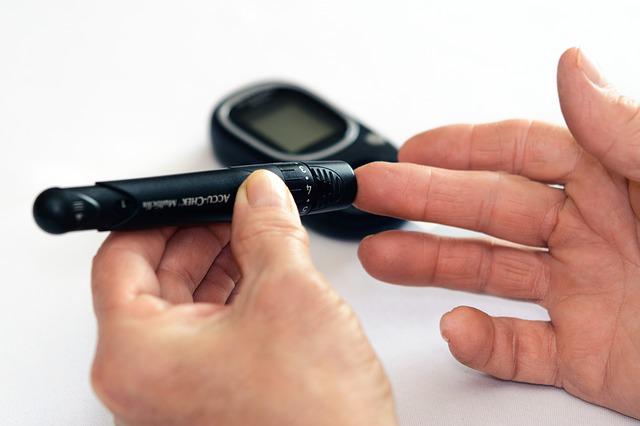
So, what do I need to do now? Rather than attempting to make drastic adjustments to your food and physical activity, it is preferable to make incremental, lasting modifications. Your prediabetes diagnosis was most likely the result of a combination of factors spanning many years, including a poor diet and a lack of exercise. However, it is never too late to begin.
If your doctor has diagnosed you with prediabetes, it is time to take action. This disease raises your chances of being diagnosed with type 2 diabetes, which can lead to other major health issues. Heart disease, stroke (4), and renal damage are among them (5). The good news is that prediabetes can be reversed. And it all begins with minor modifications to your food and lifestyle.
Reducing your intake of sugar and processed carbohydrates is a good place to start. These foods produce an increase in blood sugar, which can contribute to insulin resistance over time (6). Unfortunately, this may not be as straightforward as it appears because sugar is just as addictive as cocaine (7). Giving off sugar all at once is not sustainable over time. This is due to the fact that you will suffer withdrawal symptoms, exactly like with opioid medicines. These might be irritability or despair caused by a sweet tooth. Again, there is no need to comprehend why this occurs other than the release of the hormone dopamine, which provides us a reward effect when we eat sweet foods (7).
To accomplish this, you must gradually lower your sugar intake. If you normally use two sugars in your tea or coffee, start with half a teaspoon and work your way up until you've become acclimated to the flavor. Avoid using artificial sweeteners since they are equally as sweet as sugar, if not sweeter, and will make you need even more sweetness in your meals or beverages. As a result, you are less inclined to choose sugar-free meals, such as vegetables (8). However, xylitol and erythritol are natural sweeteners that are less sweet than sugar and have fewer calories. They are granular, like table sugar, and can be used in baking if you must have biscuits. These are far superior options, and two studies (9) (10) have discovered that erythritol has diabetes-protective properties.
Other strategies to minimize sugar intake include eating one or two biscuits instead of the entire packet and substituting fresh fruit, particularly berries, for a sugar-laden dessert. Alternatively, eat a lesser piece.
Processed carbs include biscuits, cakes, morning cereals, pies, and pastries, which, like supermarket-ready meals, should be avoided. Instead, consume plenty of fresh fruits and vegetables, healthy grains, and lean protein like chicken and fish. This is due to the presence of fibre in fruits, vegetables, and whole grains, which slows the rate at which food is digested while also keeping blood sugar levels stable. Protein also takes longer to digest and aids with blood sugar regulation (11). If you have difficulty giving up fast food or ready meals, consider adding a lot of veggies or salad to the meal and eating them first.
Eating the veggies first will fill you up because of the fiber content, so you will consume fewer processed items. This method of including healthy aspects into your meals ensures that you don't miss out on your favorite foods while also increasing your intake of nutrients that can help improve your immune system and reduce the progression of prediabetes to full-blown diabetes.
The next thing you should do is improve your level of activity in your life. This is because exercise helps to manage insulin resistance, lower Hba1c, and enhance cardiovascular health, all of which have several general health advantages (12). Just 30 minutes of moderate movement most days of the week, on average, can assist improve blood sugar management. This does not imply that you must purchase a gym membership or a plethora of equipment or devices. A short walk after your main course would suffice. All you have to do is think of methods to incorporate more activity into your day. Here are a few recommendations: If you drive to work, park as far away as possible and walk the rest of the way; take the stairs instead of the lift/elevator; march on the spot when brushing your teeth, and walk about instead of sitting when talking on the phone.
If you want more exercise, you may join a jogging group or look up thousands of exercises online. These range from sitting exercises for the less mobile to aerobic dancing routines and high-intensity training for the more mobile. There is no reason to be bored or not to find something to start with. To avoid injury, remember to warm up and stretch afterward.
Making these adjustments may be difficult at first. But if you continue with it, you'll be well on your way to reversing prediabetes and lowering your chances of acquiring type 2 diabetes. Whether you have prediabetes for the first time or have had it for a while, implementing adjustments today will benefit your health in the short and long term. These modifications may appear little, yet they may significantly impact your health. So don't put it off any longer—act now. Remember that prediabetes is reversible. Type 2 diabetes and other significant health problems can be avoided or delayed with modest effort.
- Prediabetes – Your Chance to Prevent Type 2 Diabetes https://www.cdc.gov/diabetes/basics/prediabetes.html
- What is Hba1c https://www.diabetes.org.uk/guide-to-diabetes/managing-your-diabetes/hba1c
- Prediabetes (Borderline Diabetes) https://www.diabetes.co.uk/pre-diabetes.html
- Diabetes, Heart Disease, & Stroke https://www.niddk.nih.gov/health-information/diabetes/overview/preventing-problems/heart-disease-stroke
- Diabetic nephropathy (kidney disease) https://www.mayoclinic.org/diseases-conditions/diabetic-nephropathy/symptoms-causes/syc-20354556
- Death by Carbs: Added Sugars and Refined Carbohydrates Cause Diabetes and Cardiovascular Disease in Asian Indians https://www.ncbi.nlm.nih.gov/pmc/articles/PMC6139832/
- Sugar addiction: is it real? A narrative review https://paulogentil.com/pdf/Sugar%20addiction%20-%20is%20it%20real%20-%20A%20narrative%20review.pdf
- Artificial sweeteners: sugar-free, but at what cost? https://www.health.harvard.edu/blog/artificial-sweeteners-sugar-free-but-at-what-cost-201207165030
- Effects of Erythritol on Endothelial Function in Patients with Type 2 Diabetes Mellitus – A Pilot Study https://www.ncbi.nlm.nih.gov/pmc/articles/PMC4037362/
- Multi-Targeted Mechanisms Underlying the Endothelial Protective Effects of the Diabetic-Safe Sweetener Erythritol https://www.ncbi.nlm.nih.gov/pmc/articles/PMC3673924/
- Carbohydrates and Blood Sugar https://www.hsph.harvard.edu/nutritionsource/carbohydrates/carbohydrates-and-blood-sugar/
- The importance of exercise when you have diabetes https://www.health.harvard.edu/staying-healthy/the-importance-of-exercise-when-you-have-diabetes
The post Prediabetes – Steps You Can Take to Reduce It appeared first on https://gqcentral.co.uk
The Article Prediabetes – Steps You Can Take to Reduce It First Appeared ON
: https://snopug.org
The Article Foods and Drinks to Help Balance Blood Sugar First Appeared ON
: https://snopug.org
Foods and Drinks to Help Balance Blood Sugar
You are not alone if you are having difficulty balancing your blood sugar. Diabetes affects more than 37 million Americans, with roughly 1.5 million new cases diagnosed each year. In addition, 84 million people have been diagnosed with prediabetes (1).
Nothing beats a good meal to start the day. However, if you're attempting to control your blood sugar, it's critical to eat items that will assist balance your levels throughout the day. Skipping breakfast might reduce blood sugar levels since hunger may lead you to seek sugary snacks. Here are some breakfast alternatives to keep you on track.
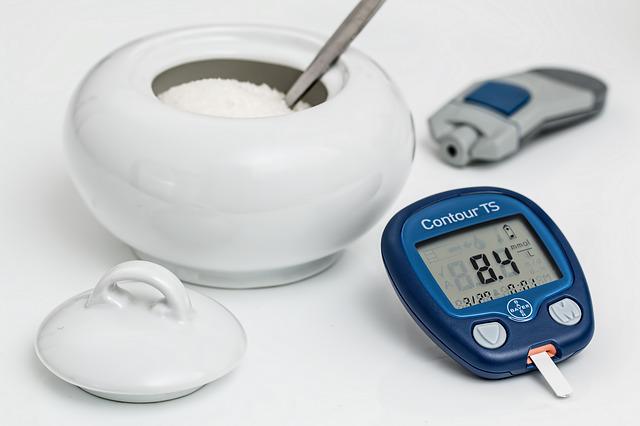
Oats and Oatmeal: Oatmeal is a complete grain high in fiber that may help decrease the absorption of sugar into your system (2). For an antioxidant boost, top your oatmeal with fresh berries. Alternatively, try oats, which are similarly high in fiber. Soak some protein-rich Greek yogurt, diced apple, and berries in water overnight. Add some nuts in the morning and you'll be full till noon. You might also cook some conventional porridge, but avoid the urge to top it with sugar. Add some banana slices and berries for a delightful start to the day.
Eggs: Eggs are a high-protein food that may help you feel full and manage your blood sugar levels (3). For breakfast, try preparing a nutritious frittata or omelet. Another traditional breakfast item is an egg on toast. The protein in the eggs will help balance out the carbs in the bread, allowing you to maintain a stable blood sugar level. Poached, scrambled, or fried eggs on seeded wholemeal bread Why not cook some eggs and create toast soldiers? For the best blood sugar-balancing impact, choose wholemeal, granary, or seeded bread over white bread (4).
Toast: If you don't want eggs, there's no reason you can't simply have toast. Remember to avoid white bread if you don't want to go for a snack mid-morning. This is because it is swiftly absorbed, quickly boosts your blood sugar levels, and quickly drops them (5). Jam, marmalade, and honey are not suitable toppings for diabetics. So, why not try a sliced banana with almond or peanut butter?
Yogurt: Yogurt is high in calcium and probiotics, or healthy microorganisms. Probiotics have been demonstrated to alter blood sugar levels and aid in the prevention of diabetes (6). Rather than choosing so-called fruit yogurt, go for plain yogurt that is lower in sugar and sweetened with real fruit. Choose full-fat yogurt over low-fat yogurt because low-fat yogurt has more sugar than full-fat yogurt. Protein yogurts are also a good option since they take longer to digest.
Fruit and cottage cheese: A modest dish of cottage cheese with fresh fruit is a healthy yet filling alternative. The fruit adds natural sweetness, and the cottage cheese is packed with protein, making this a well-balanced meal that will keep you going all morning.
Smoothie: A smoothie prepared with unsweetened almond milk, frozen bananas, and spinach is an excellent source of vitamins A and C, potassium, and magnesium. Adding a scoop of protein powder can help you feel satisfied until noon. Don't be tempted to make all-fruit smoothies or add fruit juice. This will cause your blood sugar levels to skyrocket (7).
Smoked salmon: If you're feeling frisky or celebrating a particular occasion, how about some smoked salmon? It tastes great on a whole-grain bagel, but for a heartier alternative, try it with scrambled eggs. The beneficial fats and protein in salmon and eggs will help delay the digestion of carbs, preventing blood sugar spikes. (8)
Avocado: Another decadent morning option is avocado mashed over wholegrain bread with a poached egg. Avocado, like salmon, has healthful fats that help keep blood sugar levels stable. Furthermore, avocados are high in fiber and contain several essential vitamins and minerals (9).
After we've covered breakfast, what about lunch and dinner? To begin, there is no reason why you cannot employ any of the above recommendations for a nutritious lunch. Other suggestions include the following:
Include protein at every meal: Protein slows the absorption of sugar into the circulation, hence stabilizing blood sugar levels. Protein also helps you feel fuller for longer. Protein-rich foods include lean meats, fish, nuts, beans, and lentils. Don't forget to add both oily and white fish.
Include fiber with every meal: Fibre also slows digestion and the rate at which blood sugar levels increase. It makes you feel filled longer and is also healthy for your ‘good' gut flora (10). Fibrous vegetables are the greatest source of fiber, although fruit and entire grains are also good sources. There are plenty of veggies to pick from, so you will never be bored. If you dislike the taste of some veggies, such as cauliflower, broccoli, and spinach, try disguising them in stews, casseroles, soups, and curries. Lentils and chickpeas are very high in fiber.
Drink plenty of water: Staying hydrated is vital for general health and critical for blood sugar regulation. Drinking water aids in the removal of excess glucose from the body through the kidneys. Drink at least eight glasses of water every day (11).
Cinnamon: This spice has been demonstrated to boost insulin sensitivity and reduce blood sugar levels (12). Sprinkle a teaspoon of cinnamon on top of fruits, desserts, or coffee.
Chia seeds: These tiny seeds are high in fiber, which may help decrease the absorption of sugar into the circulation, control blood sugar levels (13) and minimize insulin resistance (14). Chia seeds may be used in smoothies, yogurt, or oatmeal or used to create homemade energy bars.
Apple Cider Vinegar:
Apple cider vinegar has been demonstrated to aid diabetics and individuals who do not have the ailment reduce their blood sugar levels. Taking it every day for few months will also help lower your Hba1c blood sugar test result. This is most likely because the acetic acid in vinegar slows carbohydrate breakdown (15). As a consequence, apple cider vinegar may be an effective tool in controlling blood sugar levels. It is not the most pleasant drink, so combine one tablespoon with a big glass of water. Drink it before each meal and before going to bed.
Blood sugar regulation does not have to be complicated. You can assist in maintaining your blood sugar levels in a healthy range by including some of the meal options, foods, and beverages into your diet.
References
- Statistics About Diabetes https://diabetes.org/about-us/statistics/about-diabetes
- 9 Health Benefits of Eating Oats and Oatmeal https://www.healthline.com/nutrition/9-benefits-oats-oatmeal
- Are eggs an option for people with type 2 diabetes? https://www.diabetes.ca/managing-my-diabetes/stories/are-eggs-an-option-for-people-with-type-2-diabetes-
- Wholegrains and diabetes https://www.diabetes.org.uk/guide-to-diabetes/enjoy-food/carbohydrates-and-diabetes/wholegrains-and-diabetes-
- Carbohydrates and Blood Sugar https://www.hsph.harvard.edu/nutritionsource/carbohydrates/carbohydrates-and-blood-sugar/
- Yogurt and Diabetes: Overview of Recent Observational Studies https://academic.oup.com/jn/article/147/7/1452S/4743682
- Fruit juices and smoothies https://www.diabetes.org.uk/guide-to-diabetes/enjoy-food/what-to-drink-with-diabetes/fruit-juices-and-smoothies
- High intake of fatty fish, but not of lean fish, improved postprandial glucose regulation and increased the n-3 PUFA content in the leucocyte membrane in healthy overweight adults: a randomized trial https://pubmed.ncbi.nlm.nih.gov/28606215/
- Avocados https://www.hsph.harvard.edu/nutritionsource/avocados/
- What Are Prebiotics? https://www.verywellhealth.com/prebiotics-and-ibs-1944748
- Water and Diabetes https://www.diabetes.co.uk/food/water-and-diabetes.html
- Cinnamon: Potential Role in the Prevention of Insulin Resistance, Metabolic Syndrome, and Type 2 Diabetes https://www.ncbi.nlm.nih.gov/pmc/articles/PMC2901047
- Health Benefits of Chia Seeds https://www.webmd.com/diet/health-benefits-chia-seeds
- Dietary chia seed (Salvia hispanica L.) rich in alpha-linolenic acid improves adiposity and normalizes hypertriacylglycerolaemia and insulin resistance in dyslipaemic rats https://pubmed.ncbi.nlm.nih.gov/18492301/
- Diabetes Control: Is Vinegar a Promising Candidate to Help Achieve Targets? https://www.ncbi.nlm.nih.gov/pmc/articles/PMC5954571/
The post Foods and Drinks to Help Balance Blood Sugar appeared first on https://gqcentral.co.uk
The Article Foods and Drinks to Help Balance Blood Sugar First Appeared ON
: https://snopug.org